Tracing Event-Driven Incentives' Role in Guiding Cross-Platform Shifts Among Regional Digital Gaming Users
Written by Erik Peters · Jul 12, 2026
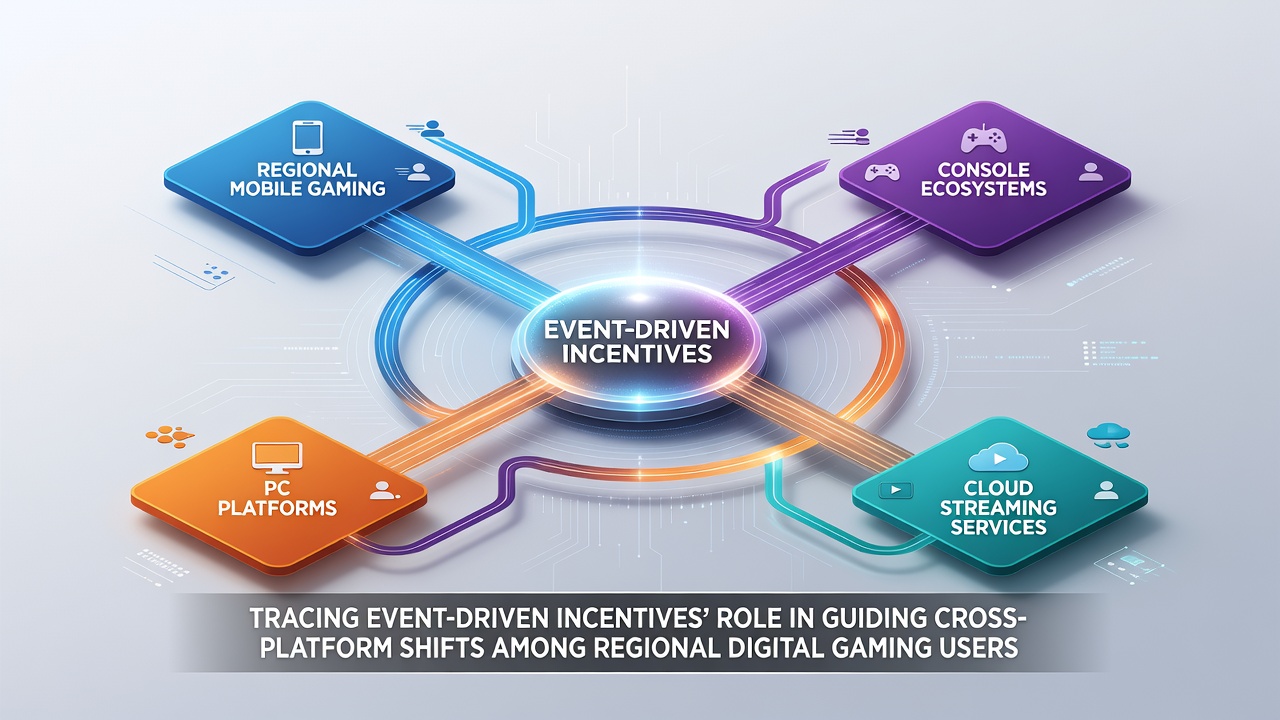
Tracing Event-Driven Incentives' Role in Guiding Cross-Platform Shifts Among Regional Digital Gaming Users
Event-driven incentives have emerged as key mechanisms that shape how users move between digital gaming platforms across different regions, and researchers tracking these patterns note consistent correlations between timed promotions and migration rates. Data from multiple markets shows that limited-duration events, seasonal challenges, and cross-game rewards often trigger users to test new environments rather than remain locked into single ecosystems.
Defining Event-Driven Incentives in Digital Gaming Contexts
Event-driven incentives encompass time-bound rewards such as exclusive items, experience multipliers, or currency grants tied to specific in-game occurrences or calendar milestones, and analysts distinguish these from static loyalty programs because their temporary nature creates urgency. Studies conducted by academic teams at institutions across Asia and North America indicate that these incentives function most effectively when they align with regional cultural calendars or global gaming trends, which in turn accelerates platform exploration.
Regional data reveals variations in response rates, with East Asian markets demonstrating higher sensitivity to collaborative events that span multiple titles while European users respond more readily to competitive ladders that carry rewards across device types. These differences reflect broader patterns in how local infrastructure and user habits intersect with incentive design.
Cross-Platform Migration Patterns Observed in 2026
Figures compiled through mid-2026 highlight measurable upticks in cross-platform activity following major event launches, and tracking services report that users frequently initiate account linkages or downloads on secondary platforms within 48 hours of event announcements. In July 2026 specifically, several regional markets recorded peak migration activity coinciding with simultaneous global tournaments that offered portable rewards.
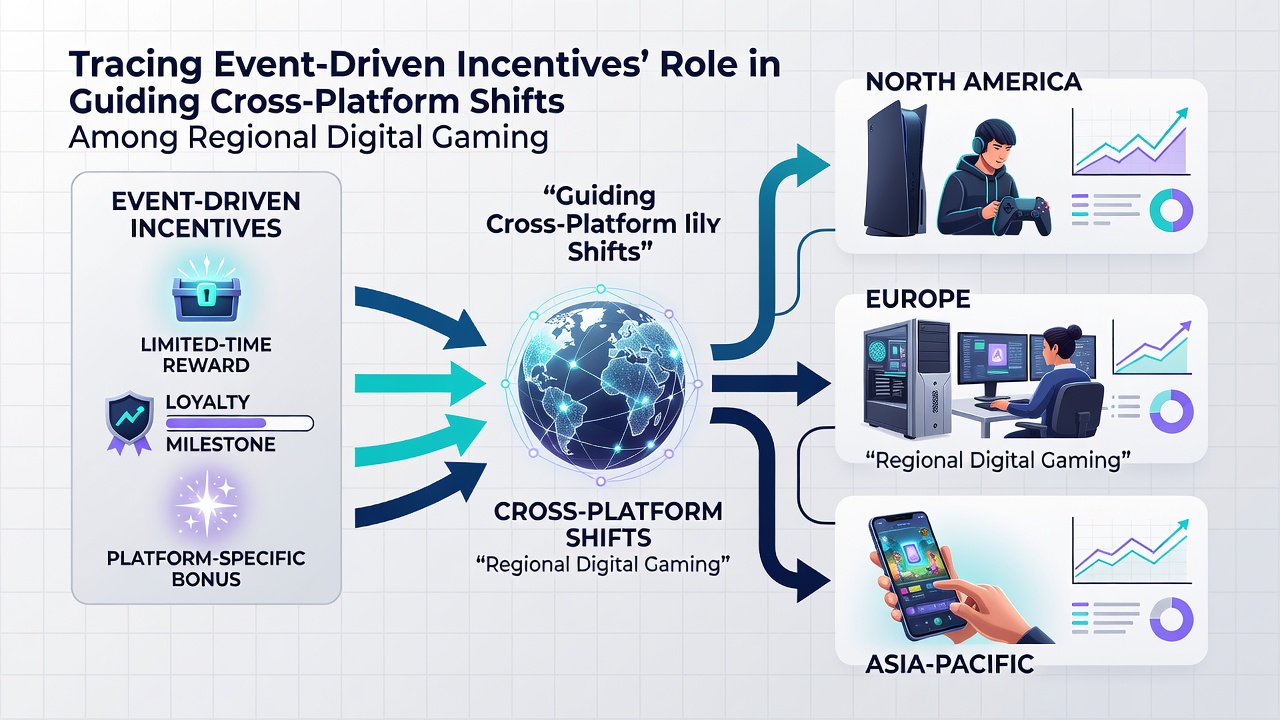
Observers note that mobile-to-console transitions accelerate when events require higher-performance hardware for optimal participation, whereas console-to-mobile shifts occur more often when events emphasize quick-session formats accessible during travel. Data indicates these directional preferences vary by region, with North American users showing stronger console-to-mobile movement and Southeast Asian markets displaying the reverse pattern during summer periods.
Regional Case Examples and Data Indicators
One research initiative in Australia documented increased platform diversification among users after events introduced shared progress systems between PC and mobile versions, and similar findings emerged from Canadian surveys where participants reported trying new titles primarily to access event-specific cosmetics unavailable on their primary platform. These patterns suggest incentives act as gateways rather than permanent retention tools in many cases.
According to reports from the Australian Communications and Media Authority, digital gaming participation metrics in 2026 reflected elevated experimentation rates during event windows, with users citing reward portability as the primary driver for testing alternative applications. Parallel observations from European research networks reinforce that incentive structures emphasizing cross-device compatibility produce measurable shifts in active user bases across borders.
Mechanisms Linking Incentives to Platform Selection
Event structures that include account-binding features or cloud-save integration reduce friction for users considering a shift, and analysts point out that these technical accommodations frequently coincide with higher completion rates for event objectives. When incentives require sustained participation across multiple days, users tend to evaluate platform stability and notification systems before committing to a secondary environment.
Evidence from aggregated telemetry data shows that regional preferences for payment or connectivity methods also influence which platform users select during event periods, with some markets favoring environments that support seamless session handoffs between devices. Researchers continue to examine how these factors compound when events span multiple titles simultaneously.
Conclusion
Current tracking data positions event-driven incentives as significant catalysts for cross-platform movement among regional digital gaming users, with patterns varying by geography yet consistently tied to reward portability and timing. Continued monitoring through late 2026 will clarify whether these shifts represent temporary exploration or longer-term diversification in user behavior across platforms.