Tracing Eligibility Pathways: Payment Choices Determining Entry into Loyalty Tiers for Interactive Dealer Sessions on Smart Devices
Written by Wendy Long · Aug 25, 2026
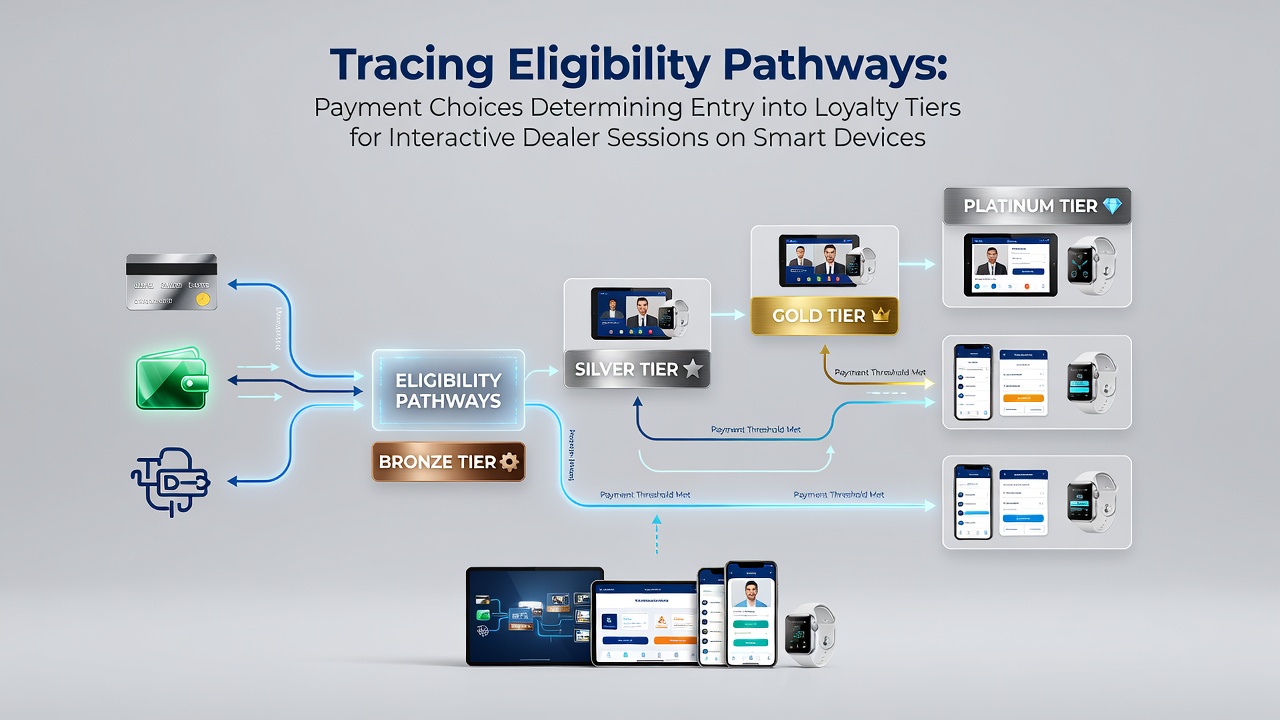
Tracing Eligibility Pathways: Payment Choices Determining Entry into Loyalty Tiers for Interactive Dealer Sessions on Smart Devices
Payment selections on smart devices shape how players move through eligibility pathways toward loyalty tiers in interactive dealer sessions, and platform operators track transaction patterns to set access rules. Data from mobile gaming environments shows that speed, volume, and method type influence progression rates, while regulatory frameworks in multiple regions require transparent tracking of these flows.
Operators segment tiers based on cumulative activity, where initial deposits via certain channels accelerate qualification for live dealer access at higher levels. Researchers at institutions like the Australian Institute of Criminology have documented how digital wallets and bank transfers correlate with faster tier advancement in app-based table formats compared to slower card processing routes.
Mapping Core Eligibility Mechanisms
Eligibility begins when users complete verified transactions on handheld platforms, and systems log details such as deposit frequency alongside session participation in dealer-hosted games. Those pathways diverge when payment velocity meets volume thresholds, allowing entry into mid-level tiers that unlock exclusive interactive tables.
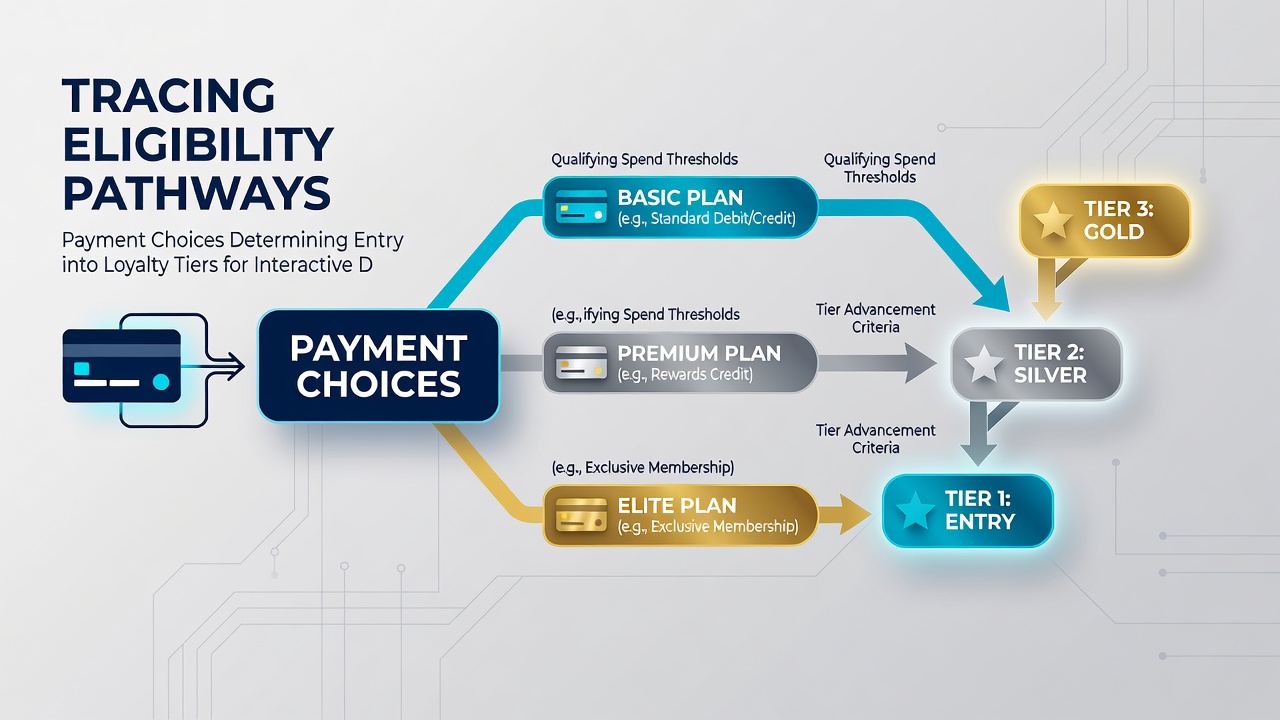
Figures released in August 2026 by several North American gaming authorities indicate that e-wallet users reached premium dealer tiers 28 percent more often than credit card users within the first 90 days of activity. This pattern holds across multiple device operating systems, though operators adjust criteria seasonally to align with regional compliance standards.
Payment Method Influence on Tier Progression
Instant transfer options create shorter eligibility windows because platforms register completed actions in real time, whereas traditional card methods introduce delays that extend the timeline for tier qualification. Observers note that users combining multiple approved methods often satisfy multi-tier requirements faster, since diversified transaction histories demonstrate sustained engagement.
One study tracking app-based reel and table simulations found that cryptocurrency-enabled deposits linked to quicker transitions into loyalty structures offering priority dealer session bookings. These findings come from aggregated platform data rather than individual player records, maintaining compliance with privacy regulations across jurisdictions.
Regional Regulatory Context and Data Trends
Ontario Lottery and Gaming Corporation documentation highlights how payment verification steps integrate with tier eligibility checks, ensuring that only cleared transactions count toward advancement metrics. Similar approaches appear in Pennsylvania systems where the Gaming Control Board requires operators to publish clear criteria for moving between loyalty levels in mobile environments.
Transaction speed variations affect retention within each tier once entry occurs, because players who select faster funding routes tend to maintain activity levels that satisfy ongoing requirements. Reports compiled through industry associations show that August 2026 metrics revealed stable growth in tiered access numbers when platforms offered multiple simultaneous payment channels.
Device-Specific Implementation Patterns
Smart device interfaces display real-time eligibility trackers that update after each confirmed payment, and developers design these displays to reflect the specific pathways tied to dealer session availability. Users on newer operating systems encounter streamlined verification flows that reduce friction between deposit completion and tier status changes.
Platform analytics indicate that cross-device synchronization allows payment history from one session to carry over, supporting consistent progression regardless of whether play occurs on tablets or phones. This continuity matters most for interactive dealer formats where live table access depends on verified tier standing.
Conclusion
Payment choices continue to serve as primary determinants for entry into loyalty tiers supporting interactive dealer sessions on smart devices, and ongoing data collection by regulators and researchers refines understanding of these relationships. Clear documentation of eligibility pathways helps maintain compliance while operators adjust thresholds based on observed transaction behaviors across markets.