Regional Licensing Shifts and Their Effects on Digital Wallet Integration for Tiered Player Advancement in Portable Reel and Table Simulations
Written by Wendy Long · Aug 2, 2026
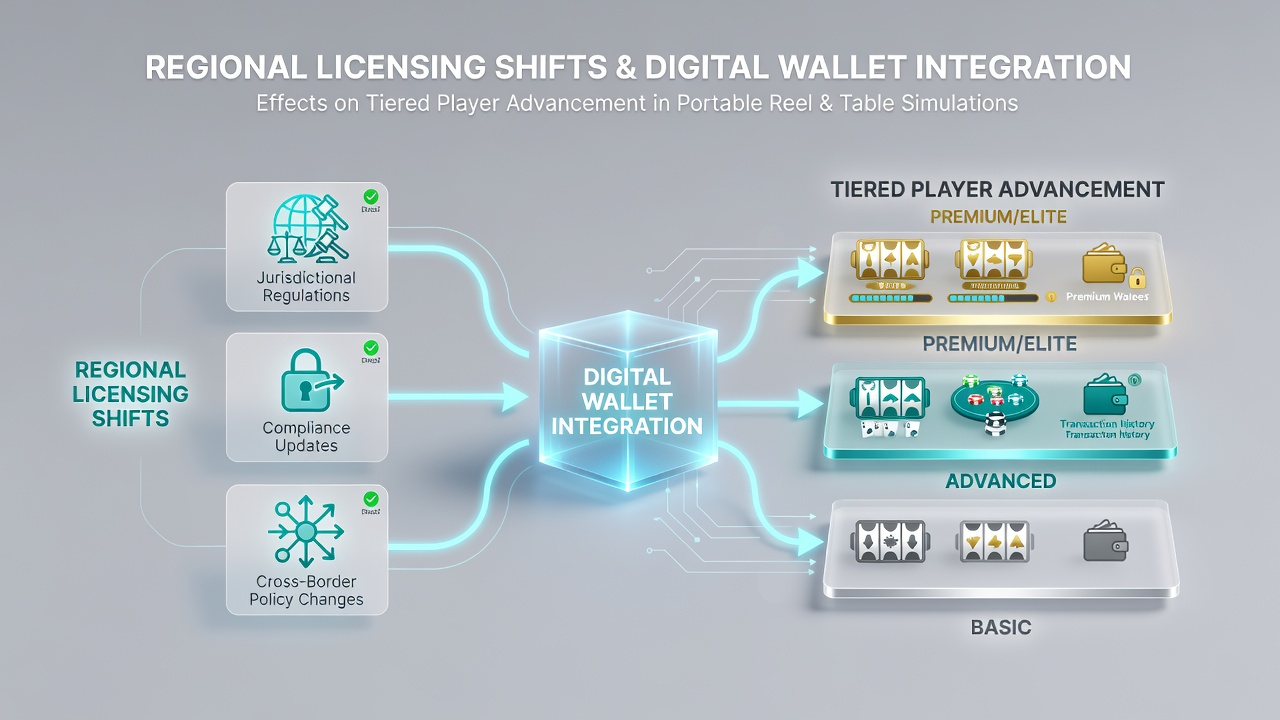
Regional Licensing Shifts and Their Effects on Digital Wallet Integration for Tiered Player Advancement in Portable Reel and Table Simulations
Regional licensing frameworks continue to evolve across multiple jurisdictions, and these adjustments directly influence how digital wallet services connect with mobile gaming platforms that feature reel and table simulations. Operators must adapt their payment infrastructure when new rules take effect, particularly those governing cross-border transactions and player verification standards. Data from industry reports shows that licensing modifications often require updated compliance protocols for electronic payment methods, which in turn affects how players move through reward tiers in app-based environments.
Key Changes in Licensing Requirements
Authorities in several markets introduced revised licensing criteria during the first half of 2026, with additional provisions scheduled for implementation in August 2026 that address digital payment integration more explicitly. These updates typically mandate enhanced security measures for wallet connections and stricter guidelines on transaction speed reporting. Observers note that jurisdictions previously focused on land-based operations now extend similar scrutiny to portable formats, creating uniform expectations for both reel simulations and live table interfaces. Research from the Malta Gaming Authority indicates that operators updating their systems ahead of these deadlines experience smoother transitions when linking established wallet providers to tiered progression models.
Digital Wallet Integration Patterns
Wallet providers respond to licensing shifts by modifying API structures and verification flows to match new regional demands. In markets where licensing bodies require real-time reporting of deposit activity, integration timelines extend while platforms test compatibility across different device types. Those who have studied these transitions find that seamless connections between wallets and gaming applications support faster advancement through starter levels into intermediate reward structures. Figures from the Nevada Gaming Control Board reveal that platforms incorporating approved wallet solutions maintain higher rates of player movement from initial incentives to premium table simulations compared with those using legacy payment channels.
Effects on Player Tier Advancement
Tiered progression systems in portable reel and table simulations depend on consistent transaction capabilities, and licensing changes can either accelerate or delay access to higher benefit levels. When a region updates its rules on digital wallet licensing, operators often recalibrate reward thresholds to align with revised compliance costs. This recalibration appears in how quickly players unlock exclusive features after completing initial deposit requirements. A study conducted by researchers at the University of Nevada, Las Vegas examined multiple mobile platforms and found that integrated wallet options correlated with steadier progression rates through loyalty stages, especially when licensing permitted instant verification methods.
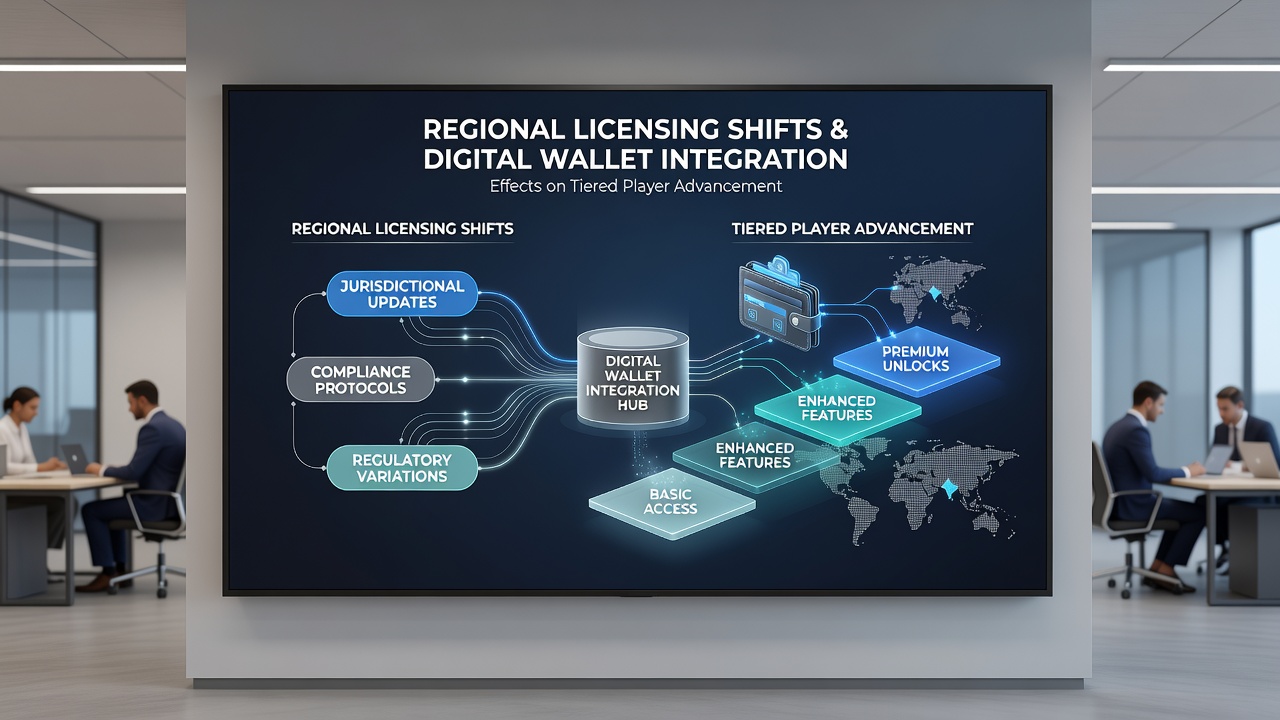
Additional licensing adjustments in Asia-Pacific regions have prompted operators to diversify wallet partnerships, reducing reliance on single providers that may not meet updated standards. This diversification supports continued player movement through simulation-based reward ladders even when one jurisdiction tightens its policies. Data compiled by the European Gaming and Betting Association tracks these shifts and shows that platforms maintaining multiple wallet integrations sustain steadier advancement metrics across reel and table formats during periods of regulatory transition.
Regional Variations and Platform Adaptations
Different regions apply licensing changes at varying paces, which creates distinct environments for digital wallet functionality in mobile simulations. Markets adopting August 2026 deadlines emphasize audit trails for every wallet transaction tied to player tier updates. Operators in these areas adjust their backend systems to log verification steps without interrupting gameplay flow. In contrast, regions with more gradual implementation schedules allow platforms additional time to test wallet connections against tier progression algorithms. Those monitoring these patterns observe that platforms serving multiple jurisdictions often develop modular wallet frameworks capable of switching configurations based on local licensing status.
Case examples demonstrate how specific licensing modifications influence outcomes. One operator expanded its approved wallet list after a Southeast Asian jurisdiction revised its digital payment rules, resulting in improved completion rates for tier advancement challenges within reel simulation modes. Another platform operating in North American markets integrated new verification layers required by updated licensing terms, which extended the time needed for players to reach premium table simulation tiers but ultimately increased compliance scores reported to regulatory bodies.
Conclusion
Regional licensing shifts continue to shape the technical requirements for digital wallet integration in portable reel and table simulations, directly affecting how players advance through tiered reward structures. Platforms that align their payment systems with evolving standards maintain consistent progression pathways, while those facing delays in integration encounter temporary disruptions in player movement between reward levels. Information from regulatory sources and academic reviews indicates that ongoing adaptation remains necessary as additional licensing provisions take effect in markets worldwide.