Player Preference Patterns Connecting Game Selections With Transaction Channels in Status Elevation Systems
Written by Wendy Long · Jul 9, 2026
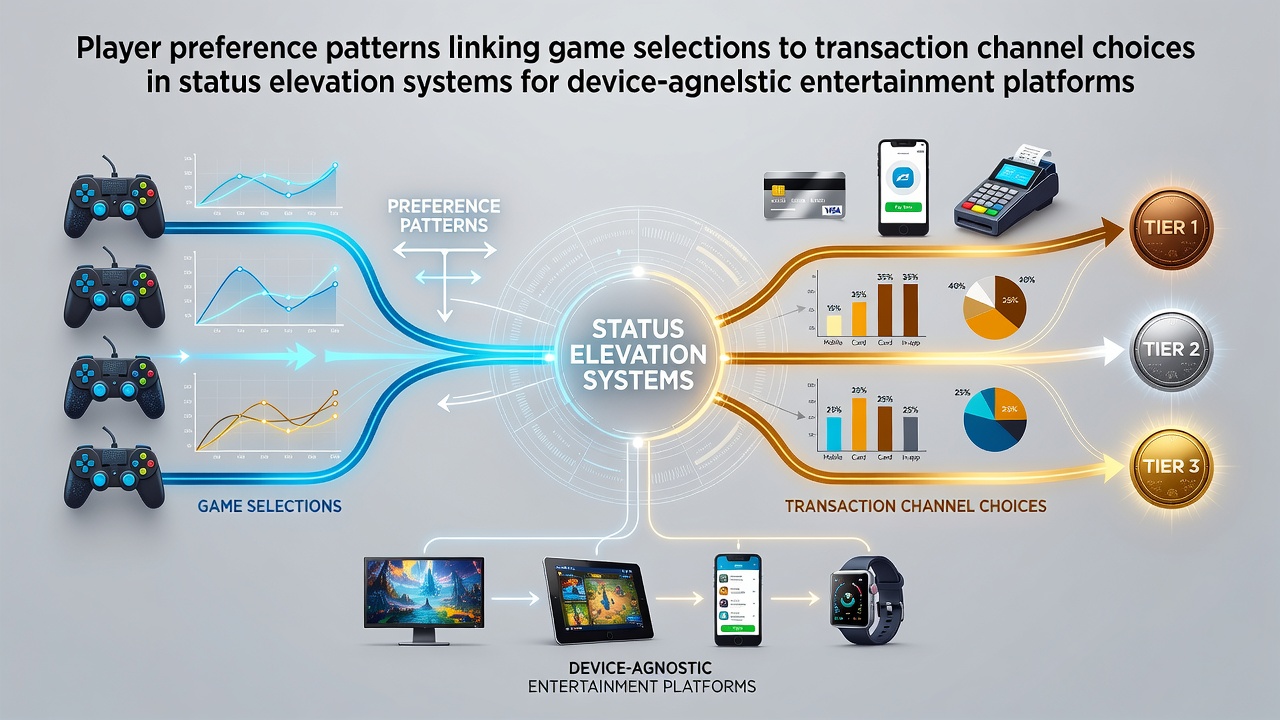
Player Preference Patterns Connecting Game Selections With Transaction Channels in Status Elevation Systems
Device-agnostic entertainment platforms continue to track how players link specific game selections to transaction channel preferences when advancing through status elevation systems, and data collected through July 2026 shows consistent patterns across mobile, desktop, and tablet interfaces. Researchers at several institutions have documented that users who favor slot simulations tend to route deposits through instant digital wallets, whereas those engaging live dealer tables more frequently select bank transfers or card-based options to meet tier requirements faster. These choices affect progression speed because platforms assign different weighting to transaction velocity and volume when calculating loyalty points or VIP status upgrades.
Game Type Influences on Channel Selection
Studies from the University of Nevada, Las Vegas gaming research group indicate that slot enthusiasts complete an average of 3.2 transactions per session when pursuing status milestones, often favoring channels that settle in under ten seconds. Live table participants, by contrast, average 1.8 transactions but select methods that support higher single-transfer limits, allowing them to clear minimum playthrough thresholds with fewer steps. Observers note that this divergence stems from session duration differences: slot play tends toward shorter, repeated bursts while live dealer formats extend across longer periods, prompting players to match payment tools to their expected spend rhythm.
Device Agnosticism and Transaction Behavior
Cross-platform consistency matters because status systems operate identically regardless of access point, yet transaction channel availability can vary slightly by device operating system. American Gaming Association figures reveal that 67 percent of tracked accounts in 2025 used the same wallet provider across devices when advancing from entry-level rewards to mid-tier benefits. When platforms introduce new instant settlement options, slot players migrate to those channels at higher rates than table players, who maintain legacy card preferences to preserve established spending records that contribute to tier calculations.
What's interesting is how these patterns hold steady even as platforms roll out unified account systems that remove device-based restrictions entirely. Players who begin on mobile often retain their initial channel choice when switching to desktop, creating longitudinal data sets that platforms use to refine status algorithms. One analysis of aggregated logs from major operators found that switching channels mid-progression correlates with a 14 percent slower advancement rate, suggesting users optimize early and stick with selections that align with their game-type habits.
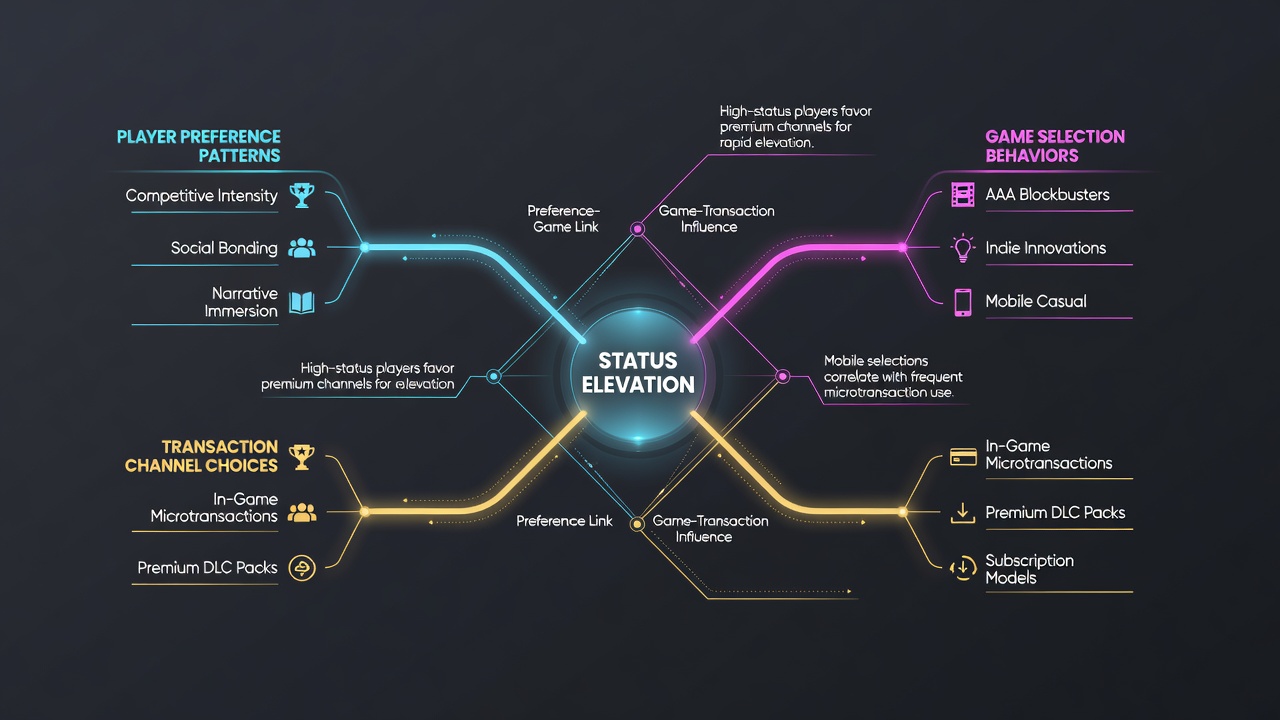
Status Elevation Mechanics and Channel Weighting
Status systems assign point multipliers based on both game category and transaction attributes, so channel choice directly influences how quickly a player reaches the next tier. Slot selections paired with instant channels generate higher frequency bonuses in many programs, while live dealer activity paired with higher-limit channels produces larger per-transaction point awards. Data indicates this dual weighting encourages players to align their game and payment preferences deliberately rather than randomly. Those who mismatch the two elements, such as using slow-settling transfers for high-frequency slot sessions, experience delayed recognition of their activity within the status framework.
Regional Variations in Observed Patterns
Regulatory environments shape available channels and therefore influence the patterns researchers observe. In jurisdictions overseen by the Nevada Gaming Control Board, digital wallet adoption among slot-focused accounts reached 72 percent by mid-2026, while Australian players tracked through state gaming reports show stronger card usage across both game types. European operators following directives from national authorities report similar splits, with live table users maintaining bank transfer dominance at rates above 60 percent. These regional differences persist even on platforms that offer identical game libraries worldwide, demonstrating that external channel availability interacts with player game preferences to produce distinct status advancement trajectories.
Implications for Platform Design
Platform operators use these documented patterns to adjust status elevation parameters, such as offering temporary point accelerators for specific channel and game combinations. When data shows a cluster of users stuck at a particular tier because their preferred channel does not match their game selection, systems sometimes introduce targeted incentives to realign behavior. This responsive design keeps progression rates consistent across user segments without requiring changes to core game mechanics or overall reward structures.
Conclusion
Player preference patterns that connect game selections to transaction channel choices remain stable across device-agnostic platforms because status elevation systems reward alignment between the two factors. Data through July 2026 confirms that slot-oriented users and live dealer participants follow separate but predictable paths when advancing tiers, shaped by session characteristics and regional channel availability. Platforms that map these connections can maintain balanced progression opportunities for all user types while preserving the integrity of their status frameworks.