Patterns in How Assessment Criteria Affect Entry into Tiered Benefits for Mobile Reel Spinners and Dealer Sessions
Written by Erik Peters · Aug 18, 2026
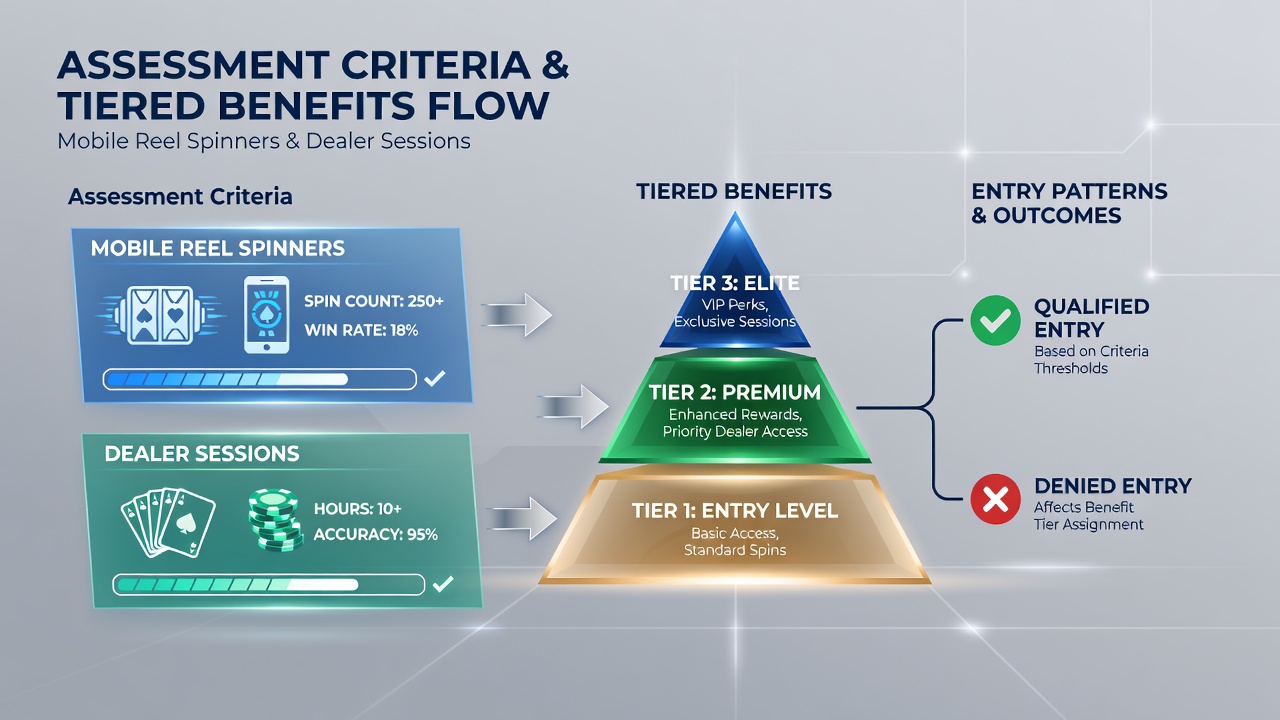
Patterns in How Assessment Criteria Affect Entry into Tiered Benefits for Mobile Reel Spinners and Dealer Sessions
Assessment criteria in mobile gaming platforms determine how players advance into tiered benefit structures for reel spinners and dealer sessions, and these criteria follow observable patterns across different operators. Data from industry reports indicate that factors such as session frequency, total wager volume, and deposit consistency shape entry points into higher reward levels, while regional regulatory frameworks influence the weighting of each element.
Core Assessment Metrics in Mobile Environments
Operators track multiple variables when evaluating player eligibility for tiered programs, and common metrics include average bet size per spin or hand, duration of active sessions, and frequency of real-money transactions. Research from the Nevada Gaming Control Board shows that platforms often assign point values to these activities, with reel spinner sessions accumulating points through spin counts and dealer sessions contributing through table time and bet multipliers. Patterns emerge where consistent daily logins combined with moderate wager totals accelerate progression more reliably than sporadic high-volume activity, since algorithms prioritize sustained engagement over isolated peaks.
Those who analyze platform data note that mobile-specific constraints, such as screen size and session interruptions, lead operators to adjust thresholds downward compared to desktop versions. For instance, shorter but more frequent reel spinner sessions receive equivalent credit to longer desktop runs because mobile users tend to engage in fragmented play throughout the day.
Regional Variations in Criteria Application
Geographic differences appear in how assessment frameworks weight transaction speed and payment method stability. Platforms licensed in Malta apply stricter verification steps for dealer session contributions, requiring documented proof of continuous participation before awarding tier points, whereas North American operators emphasize deposit regularity as the primary gatekeeper. Figures from the Malta Gaming Authority reveal that this approach results in slower initial tier advancement for mobile dealer users, yet it produces higher retention rates once players reach mid-level benefits.
And patterns in August 2026 data suggest increased emphasis on cross-game activity, where participation in both reel spinners and dealer sessions within the same week triggers bonus multipliers toward tier entry. This combined metric appears more frequently in European and Asian markets than in standalone regional models.
Impact on Player Pathways Through Tier Levels
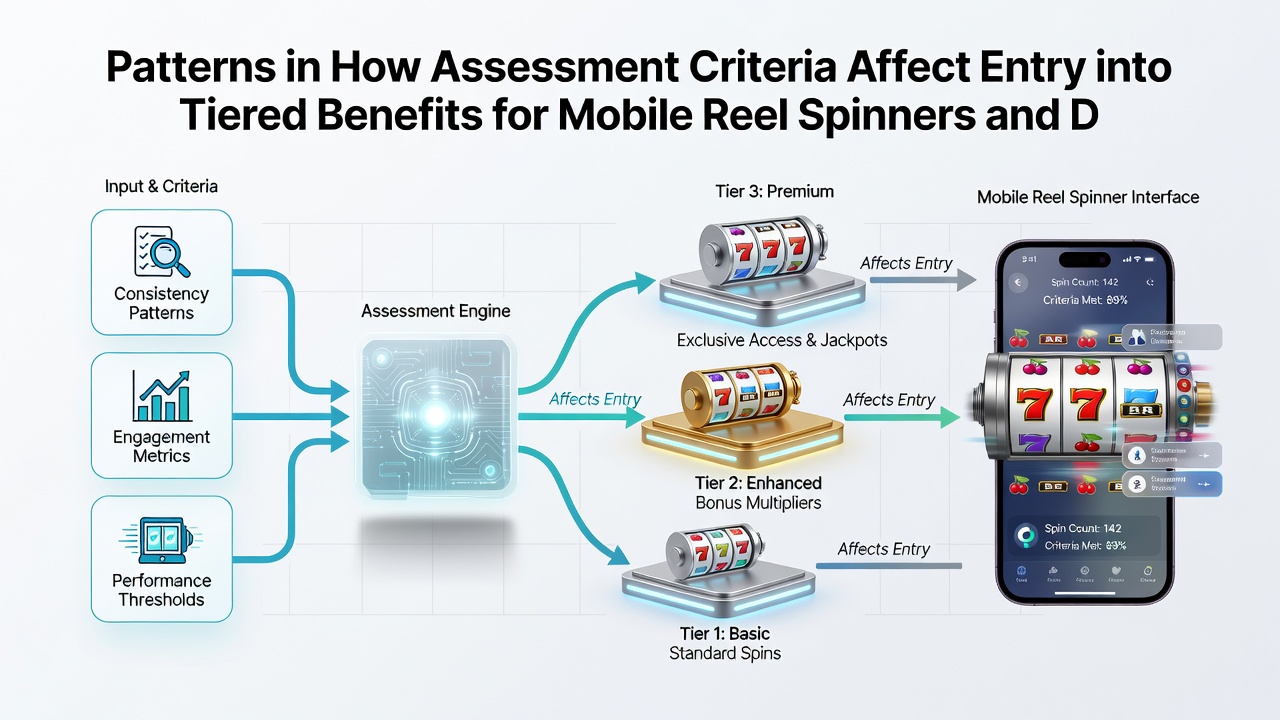
Entry into basic tiers typically requires meeting a minimum activity threshold within a 30-day window, and observers note that reel spinner players often reach this stage through volume of spins alone. Dealer session participants, however, face additional layers that factor in interaction quality metrics such as average response time to game prompts and table selection diversity. Studies from the Australian Gambling Research Centre indicate these layered criteria create distinct progression curves, with mobile reel users entering lower tiers faster while dealer session users experience delayed but more stable advancement into premium segments.
What's interesting is how operators adjust criteria seasonally. During periods of regulatory review, platforms increase the required wager thresholds by 15 to 20 percent for both game types, yet they simultaneously introduce temporary multipliers for mobile-specific behaviors like using in-app payment wallets. This adjustment pattern maintains overall tier distribution while responding to external oversight requirements.
Interaction Between Criteria and Benefit Unlocks
Tiered benefits unlock at predictable intervals once assessment criteria are satisfied, and these benefits range from enhanced cashback percentages to exclusive dealer session access. Patterns show that platforms correlate higher tiers with reduced house edges in reel spinner modes and priority seating in dealer environments. Data indicates that players who meet criteria through balanced activity across both game categories achieve faster access to combined benefits than those who focus on a single format.
One consistent observation involves the role of assessment transparency. Operators that publish clear point accumulation tables see steadier progression rates, because players adjust their session patterns to align with visible criteria rather than guessing at hidden thresholds. This transparency effect appears across multiple jurisdictions and contributes to more predictable entry patterns into mid and upper tiers.
Conclusion
Assessment criteria continue to evolve as mobile platforms refine their measurement of reel spinner and dealer session activity. Patterns documented through regulatory filings and industry analyses demonstrate that volume, consistency, and cross-format participation remain the dominant drivers of tier entry, while regional rules and seasonal adjustments create measurable variations in how quickly players access benefits. These frameworks shape player movement through reward structures in ways that balance operator objectives with compliance demands.