Loyalty Pathways and Their Role in Guiding Selections of Mobile Slot and Dealer Formats Amid Varied Transaction Systems
Written by Greta Washington · May 26, 2026
Loyalty Pathways and Their Role in Guiding Selections of Mobile Slot and Dealer Formats Amid Varied Transaction Systems
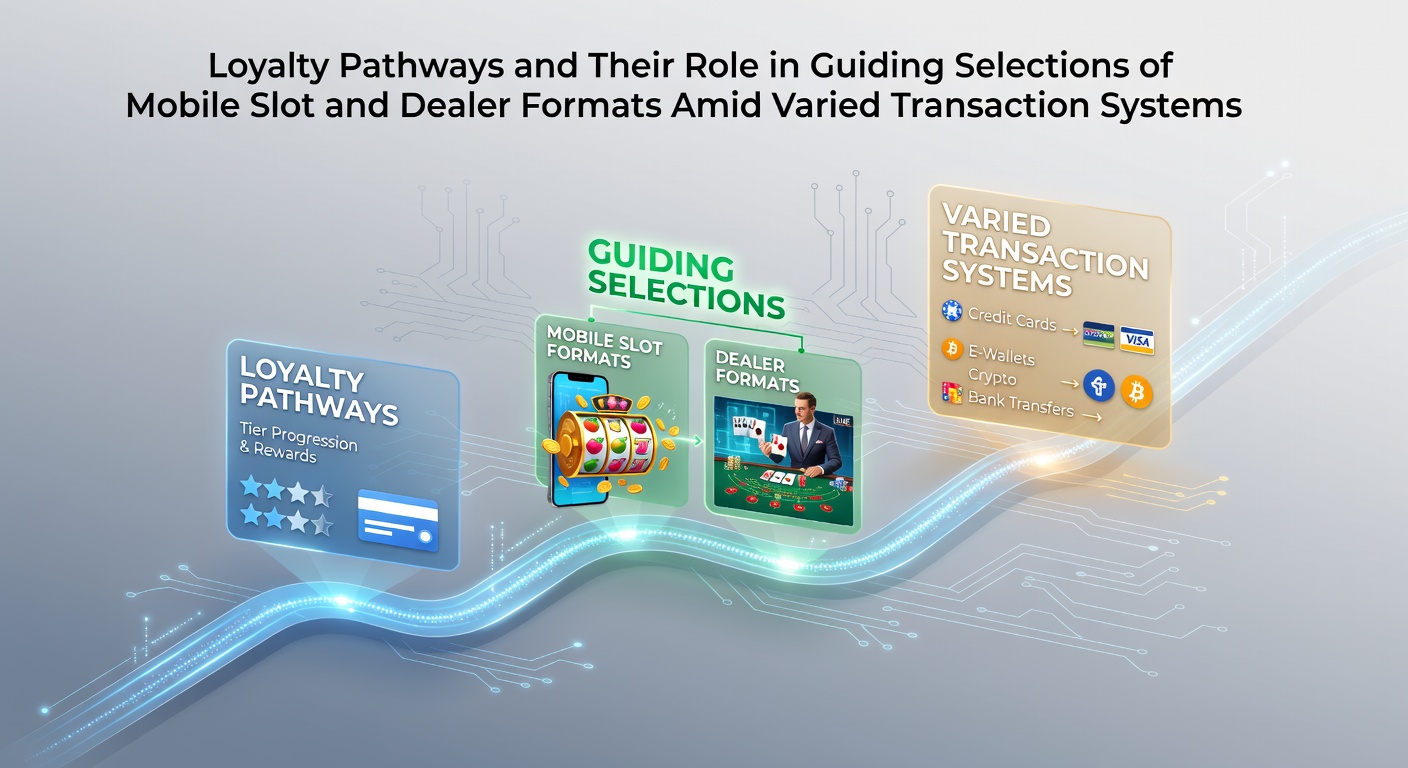
Loyalty pathways operate as structured progression systems that award points based on gameplay volume and deposit activity, which in turn unlock tiered benefits across mobile platforms. These frameworks influence how users select between slot machines and live dealer formats when transaction systems range from instant e-wallets to traditional card processing or cryptocurrency transfers. Data from multiple jurisdictions shows that players accumulate rewards at different rates depending on the chosen game type and payment speed, creating measurable differences in retention patterns.Mechanics of Point Accumulation and Format Selection
Points typically accrue through wagering activity, with slot sessions often generating steady increments because of their automated nature and high spin frequency, whereas live dealer tables award points based on table time and bet size. Observers note that faster transaction systems accelerate point earning by allowing quicker re-deposits, which leads users to favor formats that match their preferred payment velocity. Research indicates that in regions with diverse payment regulations, players migrate toward slots when instant deposits dominate, since these games permit continuous play without dealer wait times.
Transaction systems affect the visibility of loyalty benefits in real time, as some mobile apps display updated tier status immediately after a confirmed transfer. This integration encourages selections that align with both game pace and reward delivery. According to figures from the Alcohol and Gaming Commission of Ontario, platforms using varied payment rails report distinct loyalty uptake rates, with cryptocurrency users showing higher engagement in dealer formats due to lower fees and faster settlement.
Transaction Diversity and Its Influence on Player Pathways
Payment innovations shape how loyalty pathways guide choices because processing times and fees vary widely. Instant bank transfers or digital wallets reduce friction, enabling users to maintain momentum in either slots or live dealer rooms without interruption. Slower methods, such as certain card processors, correlate with longer session planning and different format preferences. Industry reports reveal that loyalty tiers often include payment-specific perks, such as reduced withdrawal times for higher levels, which further directs player attention toward formats that maximize those advantages.
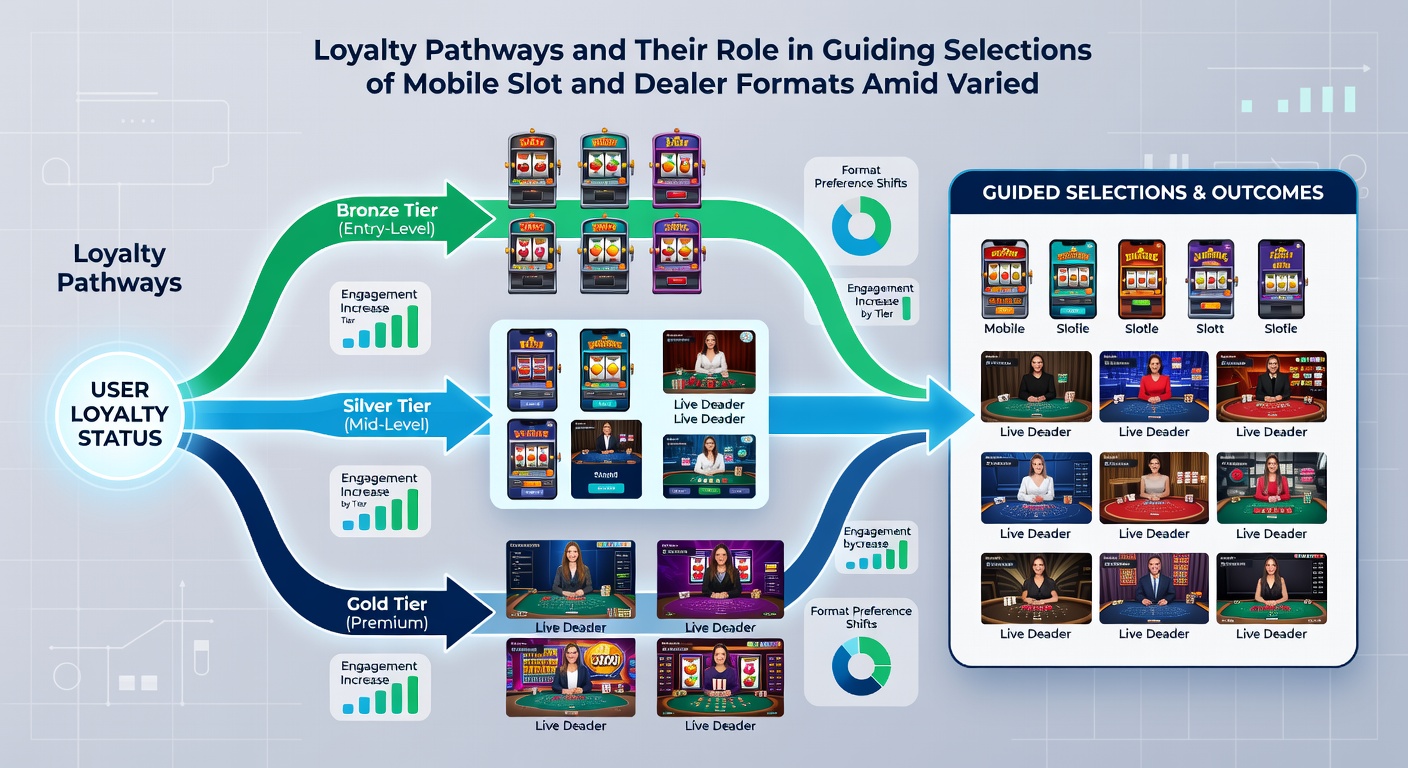
In May 2026, updated statistics from the Australian Communications and Media Authority highlighted growth in mobile loyalty participation tied to payment flexibility. Those figures show that users with access to multiple transaction options progress through tiers more rapidly when they alternate between slot play during quick deposits and dealer sessions during scheduled events. The pathways therefore function as decision frameworks that weigh game format against transaction efficiency.
Comparative Impact Across Mobile Formats
Slot collections benefit from loyalty structures that reward volume, which suits users who rely on seamless, low-cost transaction systems for extended sessions. Live dealer formats, by contrast, attract players who value social elements and who select payment methods that support larger, less frequent transfers. Researchers have documented that loyalty milestones often trigger format-specific bonuses, such as free spins for slots or table credits for dealer games, reinforcing the guidance effect of these pathways.
Platforms that integrate loyalty tracking with diverse transaction ledgers allow users to view projected rewards before committing to a format. This transparency influences selections, especially when payment speed determines how soon benefits activate. Evidence from academic studies at the University of Nevada, Reno demonstrates correlations between transaction variety and loyalty-driven format switching, with players adapting choices based on accumulated points and available incentives.
Conclusion
Loyalty pathways serve as navigational tools that connect gameplay choices with transaction realities in mobile environments. They channel user activity toward slots or dealer formats according to how efficiently points convert into benefits under different payment conditions. Continued evolution in transaction systems sustains these dynamics, as platforms refine reward structures to match emerging payment preferences while maintaining consistent progression rules across regions.