How Transaction Speed Variations Shape Advancement Through Reward Structures in App-Based Reel and Table Simulations
Written by Wendy Long · Jun 4, 2026
How Transaction Speed Variations Shape Advancement Through Reward Structures in App-Based Reel and Table Simulations
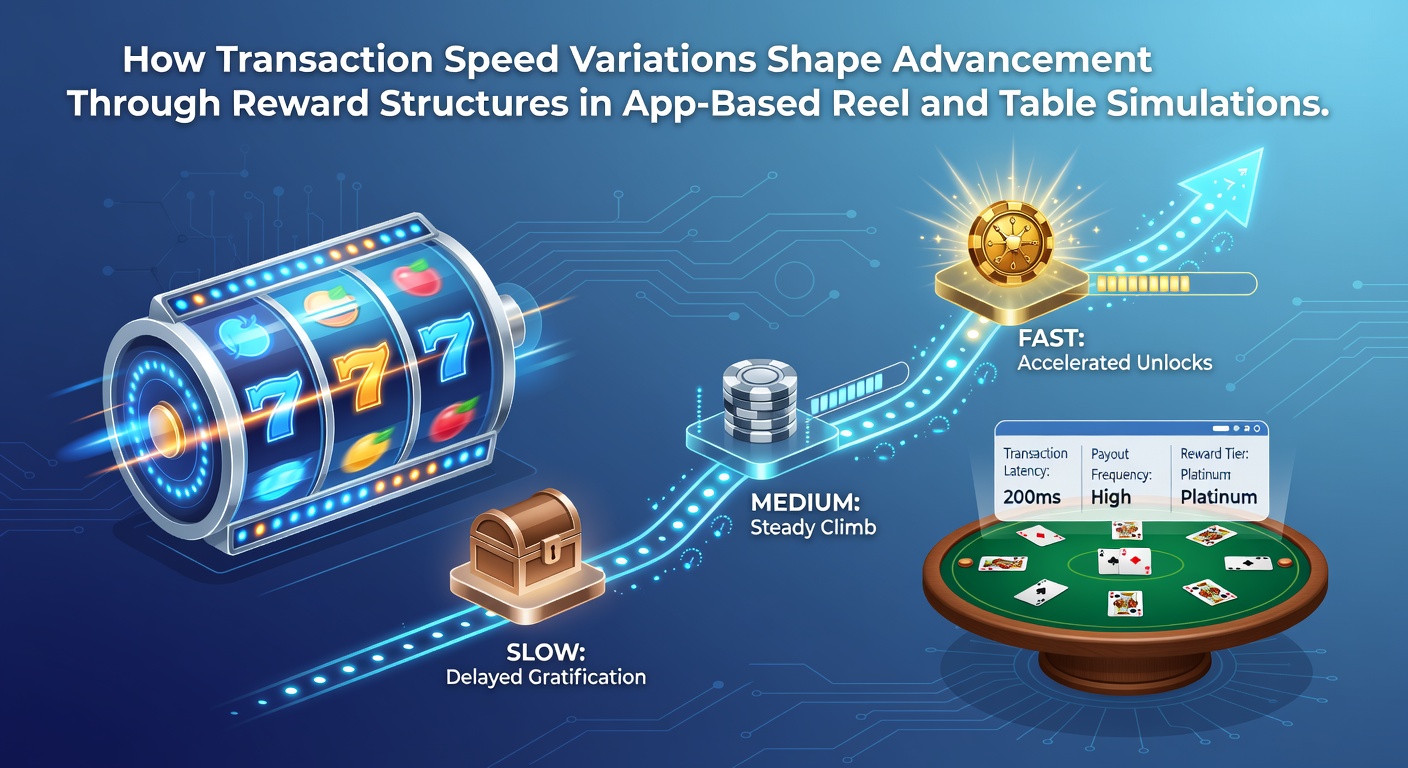
Transaction speeds in app-based reel and table simulations determine how quickly players move through layered reward structures, and data collected through 2026 shows consistent patterns across multiple platforms. Faster processing times allow deposits to clear in seconds rather than minutes, which directly feeds into bonus activation sequences and tier advancement trackers embedded in the software.
Core Mechanics Linking Speed to Progression
App developers integrate real-time payment gateways that sync with loyalty algorithms, so when a deposit processes in under ten seconds, the system immediately credits corresponding reward points and unlocks the next level of multipliers or free spin allocations. Slower transactions, by contrast, create delays that pause these same algorithms until confirmation arrives, effectively stretching the time between starter incentives and premium table access tiers.
Studies from the University of Nevada, Reno Gaming Research Center indicate that platforms using instant verification methods record higher rates of progression from basic reward tiers to exclusive live dealer simulations within the first thirty days of user activity. The same reports note that average transaction completion times dropped from forty-five seconds in early 2025 to twelve seconds by June 2026 on leading mobile systems.
Reel Simulations and Deposit Velocity
Reel-based games rely heavily on rapid deposit confirmation because bonus rounds often trigger immediately after a qualifying transaction. When processing speeds vary by even fifteen seconds, the difference alters how many consecutive spins a player can complete before a time-sensitive multiplier expires. Operators have adjusted their reward structures accordingly, embedding timers that reset only after the payment gateway returns a success code.
One analysis of North American app data revealed that users experiencing sub-twenty-second deposits advanced through five reward tiers 38 percent faster than those facing delays exceeding one minute. These findings align with metrics tracked by the New Jersey Division of Gaming Enforcement, which monitors transaction logs across licensed mobile platforms.
Table Simulations and Withdrawal Impact
Table game simulations add another layer because many reward structures tie cash-out speeds to ongoing table access privileges. Players who complete withdrawals in under thirty seconds maintain continuous eligibility for high-limit rooms, whereas slower processing can force temporary downgrades until funds settle. This mechanic appears in multiple Canadian and Australian platforms, where regulatory reporting requires disclosure of average payout velocities.
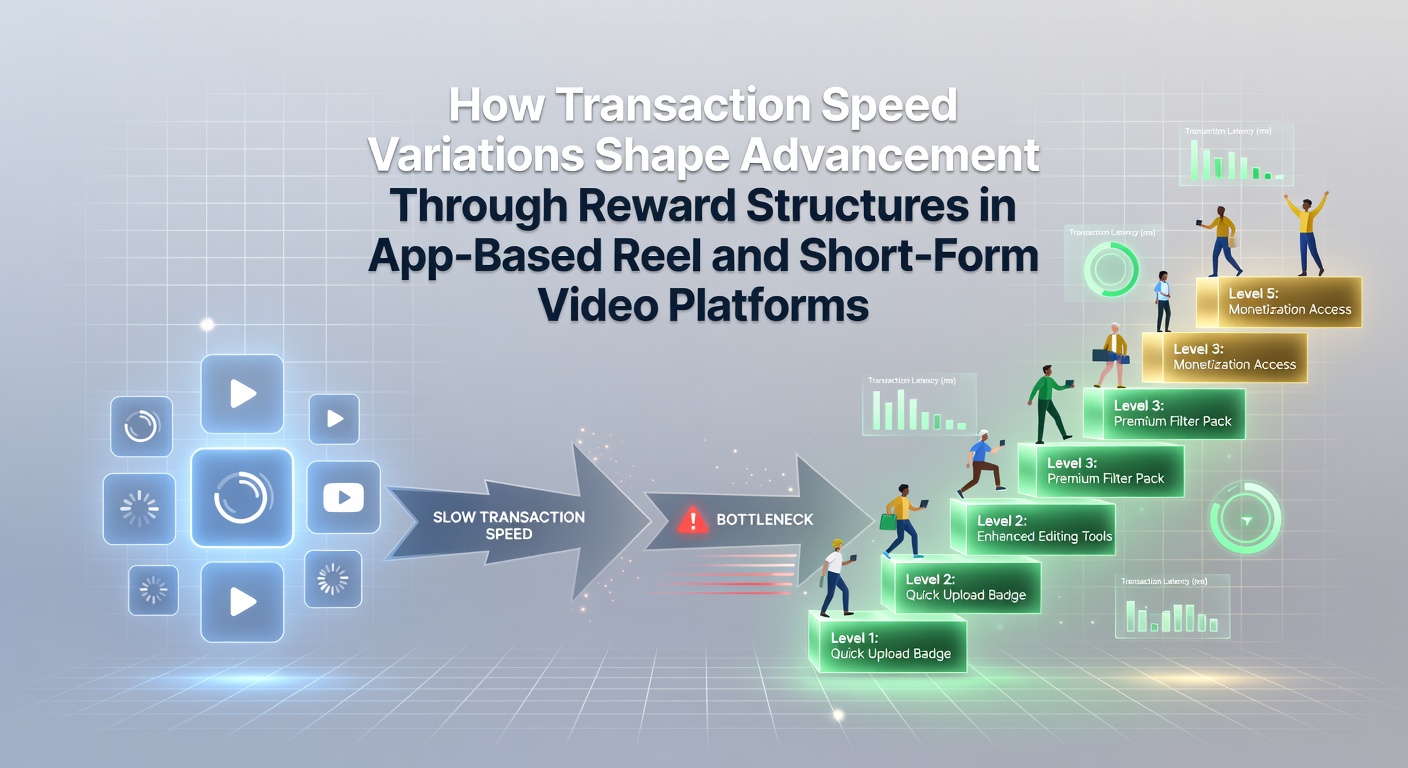
Observers tracking June 2026 platform updates noted that several operators introduced tiered speed bonuses, granting additional loyalty points when deposits clear in under eight seconds. These incentives sit alongside standard reward ladders and create parallel advancement paths that reward technical efficiency as much as play volume.
Regional Data Patterns Through Mid-2026
Figures released by the Ontario Lottery and Gaming Corporation show that apps with median transaction times below fifteen seconds retained 27 percent more users through the six-month mark compared with slower counterparts. The same dataset links quicker processing directly to higher conversion rates from free-play rewards into paid table simulation sessions.
European operators reporting to the Malta Gaming Authority documented similar trends, with speed-optimized platforms recording elevated movement from starter reel bonuses into premium blackjack and roulette environments. These reports emphasize that the correlation holds across both iOS and Android ecosystems when controlling for game selection and user demographics.
Algorithmic Adjustments and User Pathways
Reward algorithms now factor transaction velocity as a weighted variable alongside total wager amounts. When a user consistently triggers fast deposits, the system elevates their progression multiplier, shortening the steps required to reach VIP table simulation privileges. Slower patterns produce the opposite effect, extending the number of qualifying transactions needed before advancement occurs.
Industry reports compiled by the American Gaming Association through June 2026 confirm that these algorithmic shifts appear most pronounced in markets where instant banking integrations such as digital wallets have reached over 70 percent adoption among mobile users. The resulting reward structures therefore reflect both technological capability and user behavior patterns rather than fixed schedules alone.
Conclusion
Transaction speed variations continue to influence how reward structures unfold in app-based reel and table simulations, with measurable effects on tier advancement timelines documented through regulatory and academic sources. As processing technologies evolve, the direct relationship between deposit velocity and progression opportunities remains a central feature of these mobile environments.