Exploring Connections Between Instant Funding Mechanisms and Ascent Through Reward Hierarchies in Smartphone-Based Gaming Applications
Written by Erik Peters · Jul 16, 2026
Exploring Connections Between Instant Funding Mechanisms and Ascent Through Reward Hierarchies in Smartphone-Based Gaming Applications
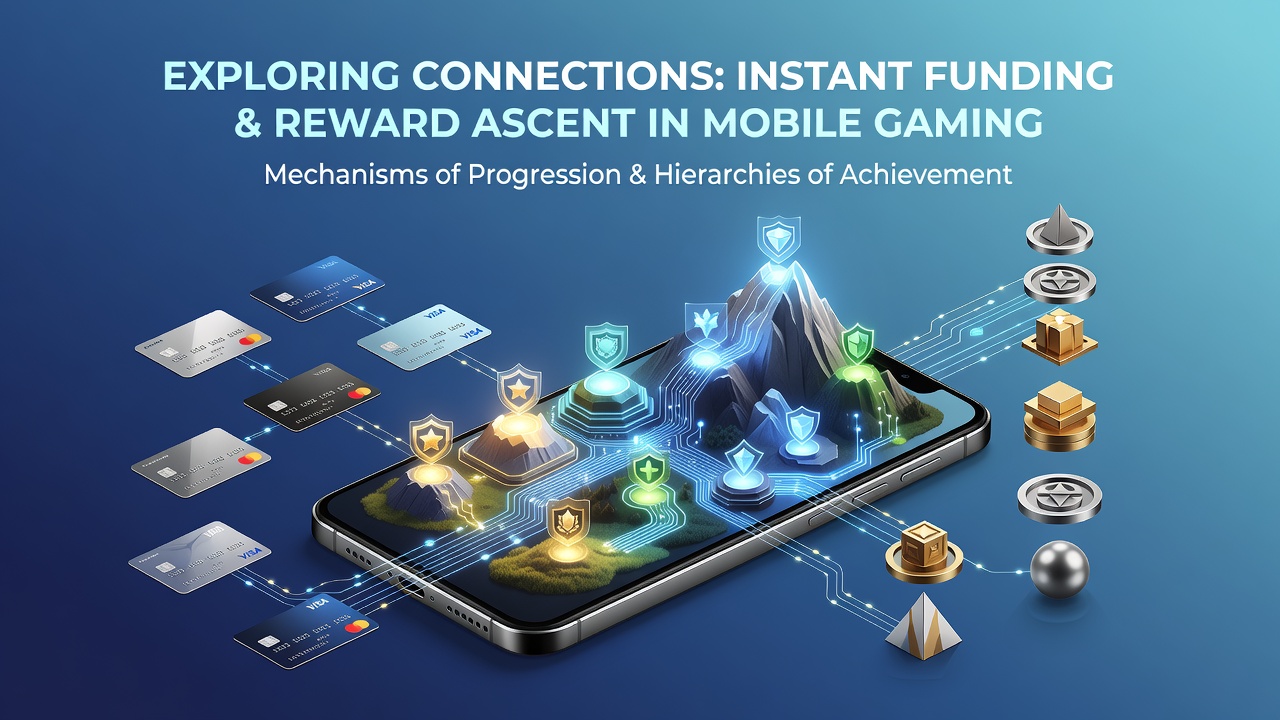
Smartphone-based gaming applications have integrated instant funding mechanisms that allow users to complete in-app purchases without delays, and these systems connect directly to structured reward hierarchies that users climb through repeated engagement and spending. Developers design these hierarchies as tiered systems where players advance from basic levels to premium status by accumulating points, completing challenges, or acquiring virtual assets, while instant funding options reduce friction during the purchase process.
Mechanics of Instant Funding in Mobile Gaming
Instant funding relies on technologies such as digital wallets and direct bank linkages that process transactions in seconds rather than minutes or hours, and mobile game platforms implement these through partnerships with payment processors that comply with regional standards. Data from industry reports indicate that applications using these methods see higher completion rates for purchases because users encounter fewer interruptions between decision and confirmation, which in turn supports continued progression through layered reward structures.
Payment flows in these environments often incorporate one-tap authorizations via device biometrics, and studies tracking user behavior show that reduced processing times correlate with increased frequency of microtransactions that feed into experience points or currency needed for tier advancement. Observers note that platforms operating in multiple regions adapt these mechanisms to local regulations, such as those outlined by the Australian Communications and Media Authority, which monitors digital transaction security in entertainment software.
Structure of Reward Hierarchies
Reward hierarchies in smartphone gaming typically consist of multiple stages that unlock progressively better benefits, including exclusive items, faster resource generation, or social recognition features, and players ascend by meeting quantifiable thresholds set by the application algorithms. These systems draw from progression models where early tiers require minimal effort while later ones demand sustained activity or additional resources obtained through purchases.
Research conducted by university-affiliated labs has documented how hierarchies incorporate both free and paid pathways, yet instant funding accelerates the paid routes by enabling immediate acquisition of boosters or premium currency. Figures from application analytics reveal that users who complete transactions quickly tend to reach mid-tier status within shorter timeframes compared to those relying solely on in-game accumulation, and this pattern holds across genres ranging from puzzle formats to competitive simulations.
Observed Connections Between Funding Speed and Tier Progression
Connections emerge because instant funding removes temporal barriers that otherwise slow the collection of necessary assets, allowing users to maintain momentum when approaching tier thresholds that reset on daily or weekly cycles. Application data aggregated across large user bases demonstrates that payment latency below five seconds associates with elevated transition rates from starter levels into intermediate and advanced brackets, particularly when events or limited-time offers coincide with these moments.
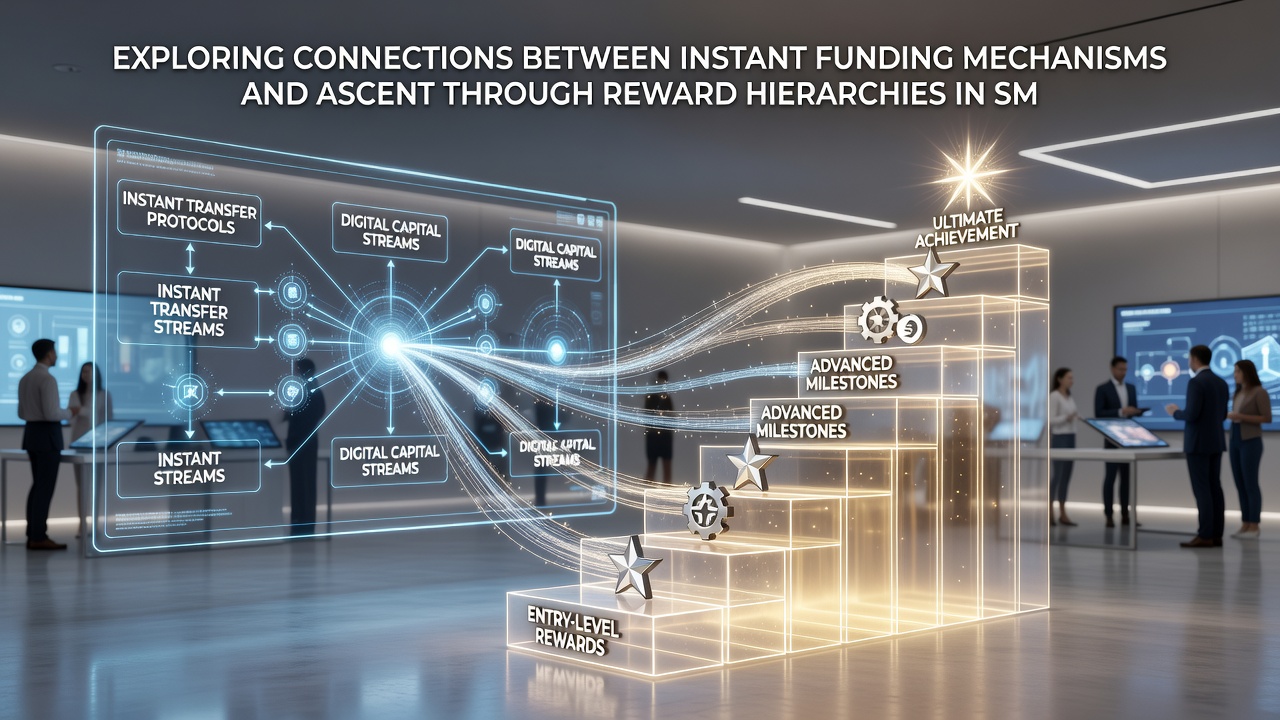
Analysts examining platform metrics have identified that seamless funding integrates with notification systems that prompt users at optimal progression points, and this combination produces measurable upticks in hierarchy climbs during peak activity windows. In July 2026, aggregated reports from entertainment software tracking services highlighted continued expansion of these integrated features across leading mobile titles, with transaction speed emerging as a consistent variable in retention models that also factor reward tier completion.
One documented case involved a popular simulation title where developers introduced direct wallet support, after which internal telemetry recorded a measurable shift in the distribution of users across higher reward brackets within the first quarter of deployment. Similar patterns appear in titles that emphasize social competition, where rapid funding enables players to secure limited assets that confer ranking advantages within the hierarchy framework.
Regional Variations and Supporting Data
Implementation differs by jurisdiction because payment regulations influence which instant methods gain approval, and sources such as the Canadian Gaming Association have compiled summaries showing how North American platforms prioritize certain processors that align with consumer protection rules. European markets follow frameworks from bodies like the Malta Gaming Authority, which emphasize transaction transparency while permitting rapid authorization flows that support ongoing gameplay loops.
Academic examinations of user datasets further indicate that applications combining instant funding with visible progress indicators achieve steadier advancement distributions, reducing the clustering of players at lower tiers that occurs when purchase friction remains high. These findings draw from longitudinal tracking that spans multiple app updates, revealing consistent linkages between funding efficiency and hierarchy mobility across diverse demographic segments.
Conclusion
Instant funding mechanisms and reward hierarchies in smartphone gaming applications operate as interconnected components where transaction speed influences the rate at which users move through defined stages. Platform operators continue to refine these integrations based on performance metrics, and external analyses from organizations including the Entertainment Software Association provide broader context on how payment innovations shape engagement patterns in mobile environments. Continued monitoring of these dynamics offers insight into evolving user pathways within digital gaming ecosystems.