Examining Correlations Between Payout Processing Times and Retention Rates Across Different Game Formats in Mobile-Based Casino Environments
Written by Wendy Long · Jun 23, 2026
Examining Correlations Between Payout Processing Times and Retention Rates Across Different Game Formats in Mobile-Based Casino Environments
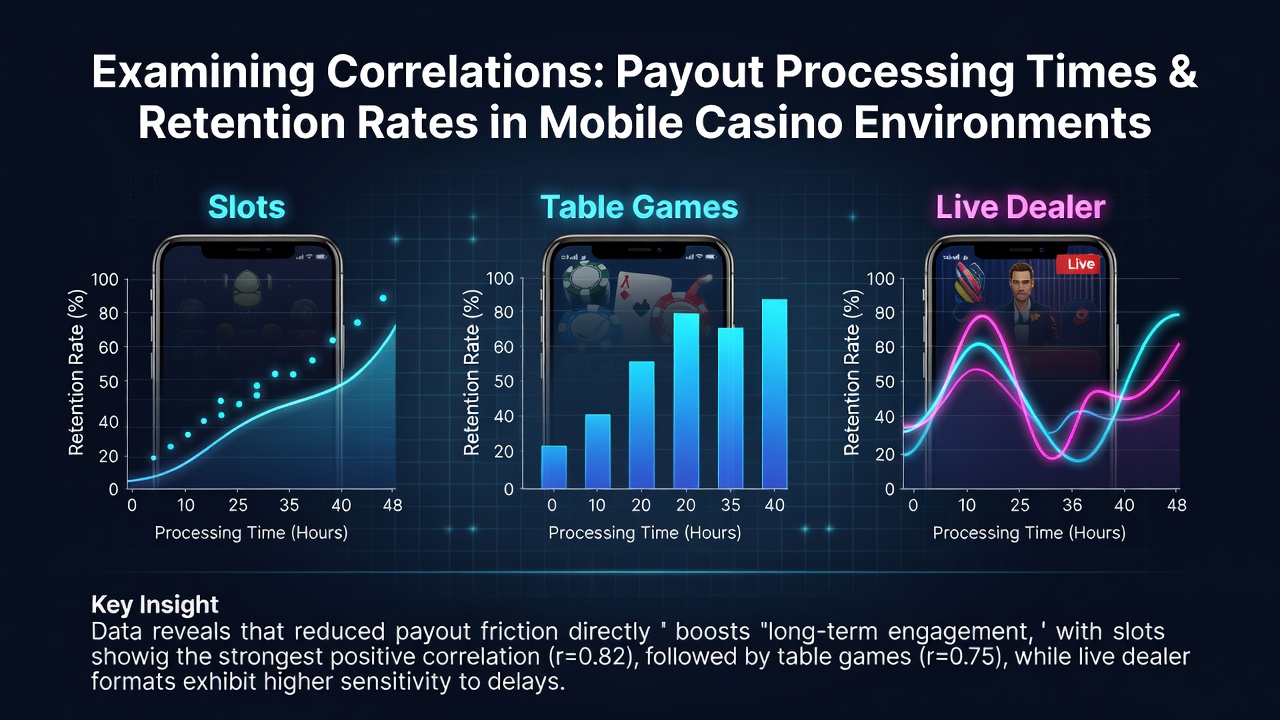
Analysts tracking mobile casino operations have documented measurable links between how quickly payouts reach player accounts and the likelihood those users continue active engagement over multiple sessions. Data compiled across slot-based titles and live dealer environments shows that shorter processing windows often coincide with higher month-over-month retention figures, while delays beyond a certain threshold correlate with measurable drops in repeat activity.
Patterns Observed in Slot Formats
Slot-heavy mobile platforms report that players who receive winnings within one to two hours after verification tend to maintain session frequency at rates noticeably above those waiting twenty-four hours or longer. Figures collected during the first half of 2026 indicate this gap widens when progressive jackpot wins are involved, because the immediate availability of funds allows seamless transition into new betting cycles. Observers note that automated verification systems reduce average payout intervals to under ninety minutes on many apps, and platforms employing these tools record retention curves that flatten less sharply after the initial thirty-day period.
Live Dealer Environments and Transaction Speed
Live dealer sections present a different dynamic. Because table games often involve larger average bet sizes and extended play sequences, payout timing affects retention through a slightly longer feedback loop. Studies tracking users who moved from starter incentives to premium table access found that same-day processing supported continued participation, whereas multi-day waits prompted a measurable shift toward competing applications. One dataset released in June 2026 by the Alcohol and Gaming Commission of Ontario highlighted that live dealer retention remained above baseline levels when withdrawal requests cleared before the next scheduled login, typically within eight hours.
Cross-Format Comparisons and Retention Metrics
When researchers compare slot and live dealer cohorts side by side, the correlation between processing speed and retention appears stronger in the slot segment during the first ninety days of activity. After that window, live dealer users demonstrate greater sensitivity to delays exceeding twelve hours, possibly because table game participants place higher value on uninterrupted bankroll access for strategic play. Mobile apps that segment their user base by primary format therefore adjust payout queues accordingly, routing live dealer withdrawals through priority channels while maintaining standard timelines for slot-driven accounts.
Regional Data and Industry Reports
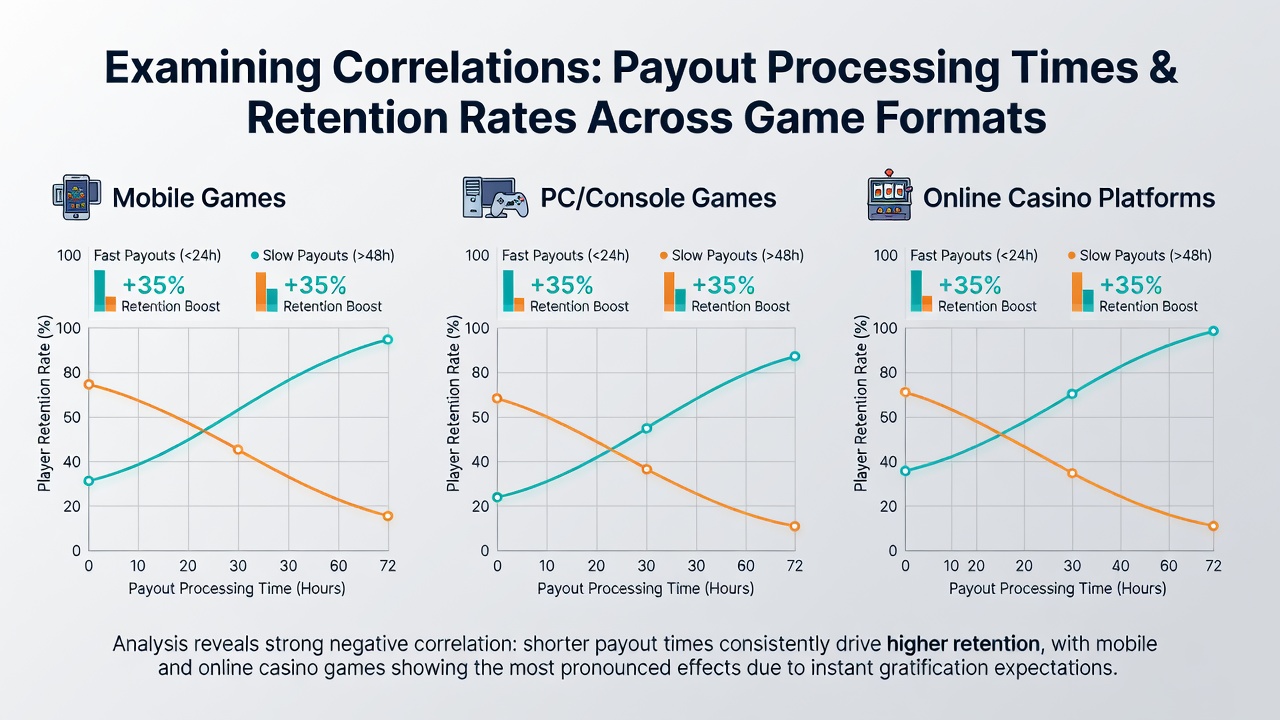
Regulatory filings from the Victorian Commission for Gambling and Liquor Regulation have tracked similar variables across Australian-licensed mobile offerings. Their quarterly summaries show that operators publishing average payout durations under four hours achieve retention percentages several points higher than those averaging one business day. These reports also note that hybrid games blending slot mechanics with live elements follow retention patterns closer to pure slots when payout speed improves, suggesting format-specific thresholds rather than uniform industry benchmarks.
Payment method choice further modulates outcomes. E-wallet integrations shorten intervals across both formats, while traditional bank transfers extend them, producing corresponding dips in continued play. Platforms that surface real-time status updates during the processing window record smaller retention losses even when actual transfer times remain unchanged, because users receive confirmation that funds are en route.
Conclusion
Available platform data and regulatory summaries together establish that payout processing times function as a measurable variable influencing retention across mobile casino formats. Slot environments display quicker responsiveness to speed improvements, while live dealer segments require consistent sub-twelve-hour performance to sustain longer-term engagement. Operators monitoring these correlations continue refining verification workflows and payment routing to align processing windows with observed user behavior patterns.