Decoding Rating Algorithms That Weigh Portable Funding Speed Against Transition Rates From Starter Offers Into Exclusive Live Table Tiers
Written by Erik Peters · May 31, 2026

Decoding Rating Algorithms That Weigh Portable Funding Speed Against Transition Rates From Starter Offers Into Exclusive Live Table Tiers
Rating algorithms in mobile casino platforms process multiple data streams to assign player tiers, and they place particular emphasis on how quickly funds move through portable channels alongside the speed at which users convert starter incentives into sustained activity at premium live dealer tables. These systems track deposit completion times measured in seconds, then cross-reference that information with conversion percentages from initial bonuses to exclusive table access within defined periods. Observers note that the underlying models rely on weighted variables rather than simple counts, which allows platforms to differentiate between rapid one-time deposits and consistent patterns that signal long-term engagement.
Core Components of the Evaluation Process
Portable funding speed enters the calculation through timestamps captured at each step of a mobile transaction, including authorization, settlement, and confirmation. Algorithms assign higher scores when deposits complete under thirty seconds using integrated wallet services or instant bank transfers, because such efficiency correlates with reduced drop-off rates during early sessions. Transition rates receive equal scrutiny through sequential event logging that records when a player moves from a starter offer, such as a matched deposit bonus, into live table environments reserved for higher tiers. Data shows these two metrics interact multiplicatively in most models, so a fast deposit paired with quick progression multiplies the overall rating more than either factor alone.
Variable Weighting and Data Inputs
Developers calibrate the algorithms using historical datasets that include millions of sessions across multiple jurisdictions. Funding speed typically receives a coefficient derived from regression analysis that measures its impact on session length, while transition rate coefficients reflect observed retention lifts once players reach exclusive tables. Researchers at institutions such as the University of Nevada Reno Gaming Innovation Lab have documented how these coefficients shift when new payment rails appear, forcing platforms to recalibrate every quarter. The models also incorporate auxiliary signals like device type, time of day, and geographic location to adjust for regional differences in banking infrastructure.
One platform operator in North America reported that tightening the funding speed threshold by ten seconds produced a measurable uptick in transition rates, because players who experienced seamless deposits were more likely to explore live dealer rooms before their starter offers expired. Similar patterns appear in reports from the Australian Institute of Criminology, where analysts examined anonymized transaction logs and found that delays beyond forty-five seconds reduced the probability of VIP table entry by roughly eighteen percent within the first week.
Progression Pathways and Threshold Logic
Threshold logic inside these algorithms sets minimum benchmarks that must be met before a player unlocks exclusive live table tiers. A common structure requires both a cumulative funding speed average below a set limit and a transition completion rate above another limit within fourteen days. When either condition falls short, the system withholds tier advancement even if total spend appears substantial. This dual-gate approach prevents players who rely on slow manual transfers from advancing solely on volume, while rewarding those who combine quick portable deposits with rapid movement into live environments.
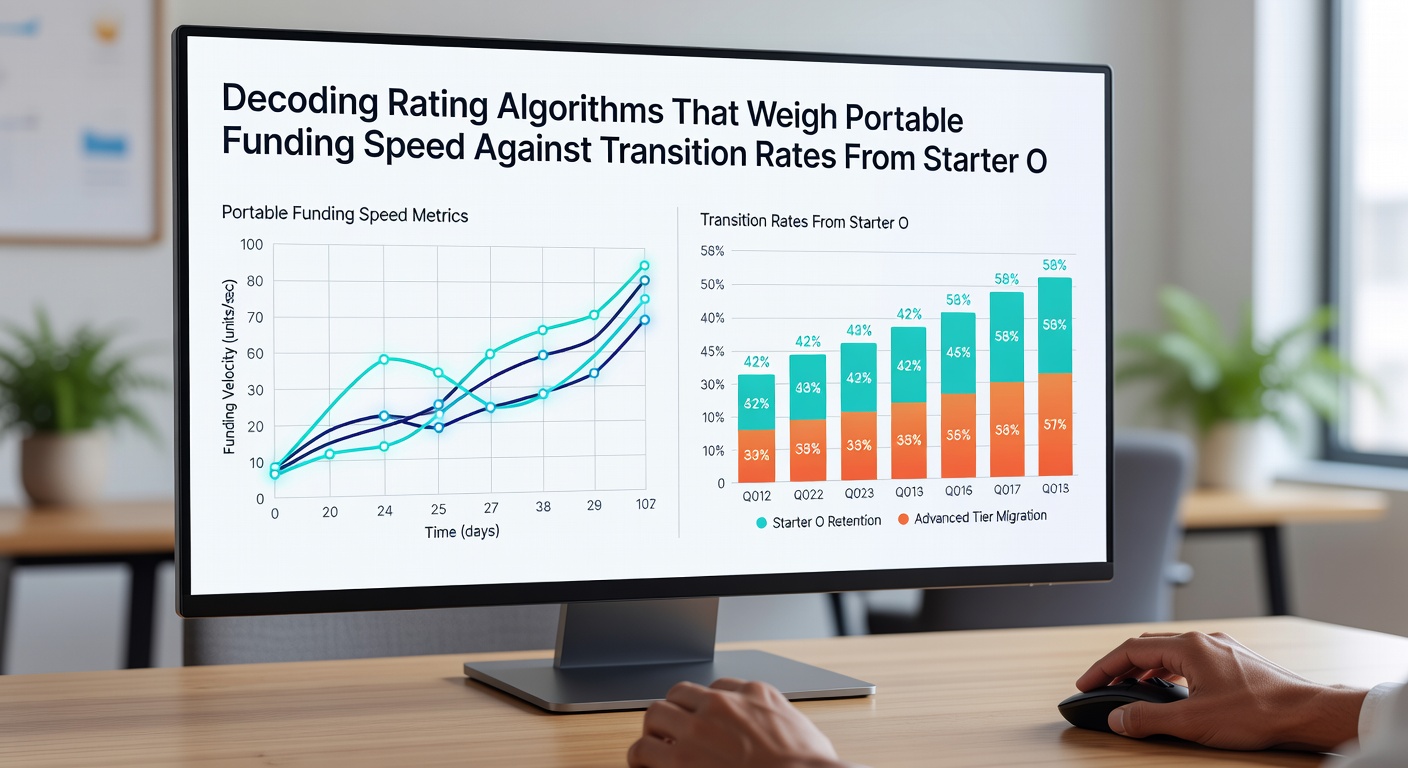
Platform teams adjust these thresholds periodically based on cohort performance. In May 2026, several operators updated their models after observing changes in mobile network latency across emerging markets, which altered the distribution of funding speeds and required recalibration of transition expectations. The adjustments ensured that regional disparities in connection quality did not unfairly penalize players who otherwise demonstrated strong progression behavior.
Integration with Broader Platform Metrics
Rating outputs feed into recommendation engines that surface live table options at moments when transition probability peaks. The algorithms therefore serve dual purposes: they classify players and simultaneously guide content delivery to accelerate desired movements. Industry groups such as the European Gaming and Betting Association have published technical papers outlining best practices for maintaining transparency around these weighting schemes, noting that clear disclosure of speed and progression criteria helps operators maintain compliance across different regulatory frameworks.
Take one mid-sized operator that integrated real-time funding speed dashboards into its back-office tools. Staff members could monitor daily averages and identify cohorts where slow deposits coincided with stalled transitions, then test targeted prompts that encouraged use of faster portable methods. Results from such interventions appear in internal case studies shared at gaming technology conferences, where presenters describe incremental lifts in tier advancement without corresponding increases in overall marketing spend.
Future Calibration Trends
Emerging versions of these algorithms incorporate machine learning layers that continuously refine coefficients based on live data streams. The models detect subtle shifts in player behavior, such as changes in preferred funding windows or variations in how starter offers interact with specific live table formats. Continuous learning reduces the lag between market changes and rating adjustments, allowing platforms to maintain consistent evaluation standards even as payment technologies and table offerings evolve.
According to aggregated figures released by the Canadian Responsible Gambling Council, operators that implemented adaptive weighting reported more stable tier distributions over twelve-month periods compared with those using static models. The stability stems from the algorithms' ability to rebalance speed and transition priorities automatically when external factors, like new banking regulations, affect deposit times in particular regions.
Conclusion
Rating algorithms that balance portable funding speed against transition rates from starter offers to exclusive live table tiers operate through layered calculations that combine timestamp analysis, event sequencing, and dynamic coefficients. These systems evolve with market conditions, regulatory updates, and technological improvements in mobile infrastructure. Observers tracking platform performance continue to monitor how adjustments to either metric influence overall player movement patterns and tier stability across different operating environments.