Charting Interface Response Patterns and Their Links to Membership Ascent in Wireless Gaming Applications
Written by Erik Peters · Jul 23, 2026
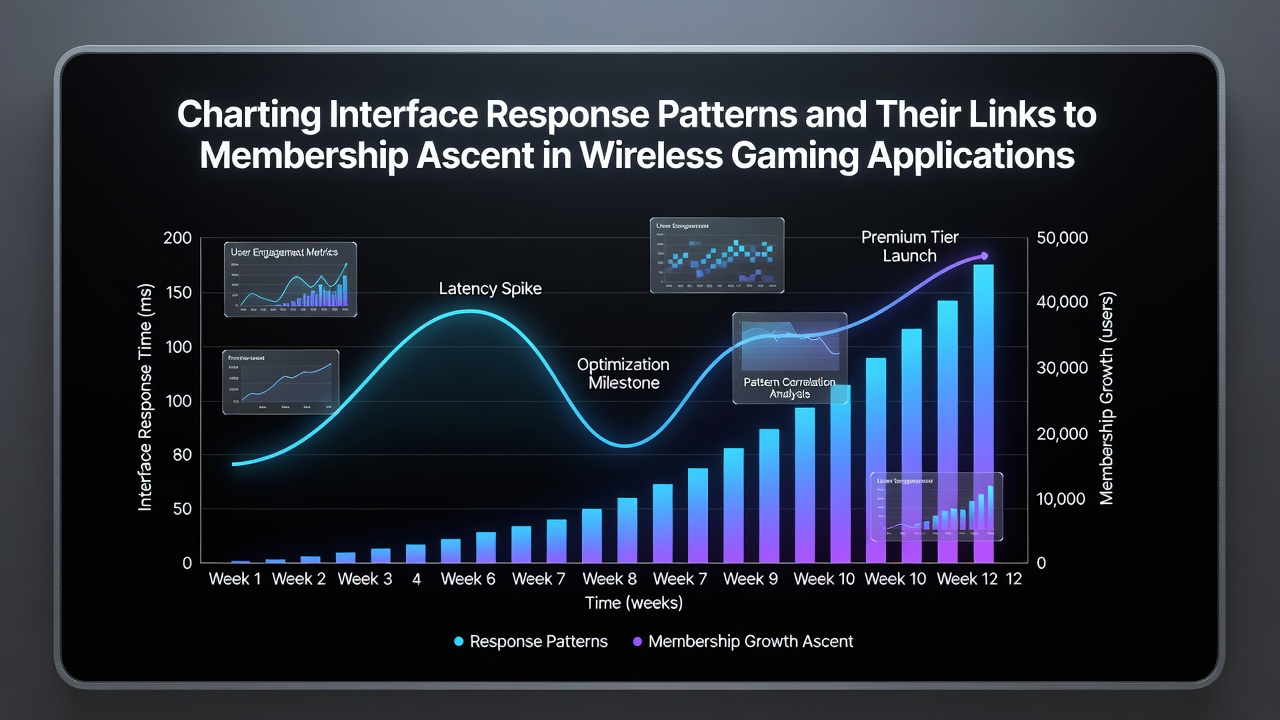
Charting Interface Response Patterns and Their Links to Membership Ascent in Wireless Gaming Applications
Interface response patterns in wireless gaming applications refer to the measurable delays and feedback loops that occur when users interact with touch-based controls, menu transitions, and real-time data exchanges on mobile devices. Researchers track these patterns through metrics such as latency in milliseconds, touch registration accuracy, and animation smoothness across different network conditions. Data compiled from app analytics platforms shows that consistent sub-150-millisecond responses correlate with sustained session lengths in free-to-play titles that offer tiered membership structures.
Measuring Response Patterns Across Device Ecosystems
Wireless gaming applications operate on varied hardware, from entry-level Android devices to high-end iOS models, and each platform presents distinct response characteristics. Studies conducted by academic teams at multiple universities reveal that frame rate stability above 60 frames per second reduces perceived input lag, while drops below 45 frames per second increase user frustration during rapid actions. Observers note that developers log these variations through embedded telemetry that records touch-to-visual feedback intervals, and the resulting datasets allow comparison between different operating systems and connection types.
Network Variability and Its Effects on Interaction Flow
Cellular networks introduce fluctuating latency that affects how quickly an application registers player inputs and updates shared game states. Reports issued in July 2026 by industry monitoring groups indicate that 5G connections reduce average response times by 35 percent compared with 4G in urban test environments, yet rural signal fluctuations still produce spikes exceeding 300 milliseconds. Application designers address these inconsistencies by implementing predictive input buffering and local simulation layers that maintain visual continuity even when server acknowledgments arrive late.
Progression Mechanics Tied to Interface Performance
Membership ascent in wireless gaming applications typically involves movement from basic accounts to premium tiers that unlock additional content, faster progression rates, and exclusive social features. Evidence from platform-wide usage statistics demonstrates that users who encounter fewer than three response delays per session advance to paid membership at higher rates than those who experience frequent interruptions. Those who've examined retention curves find that seamless interface responses support repeated short play sessions, which accumulate into the engagement thresholds required for tier upgrades.
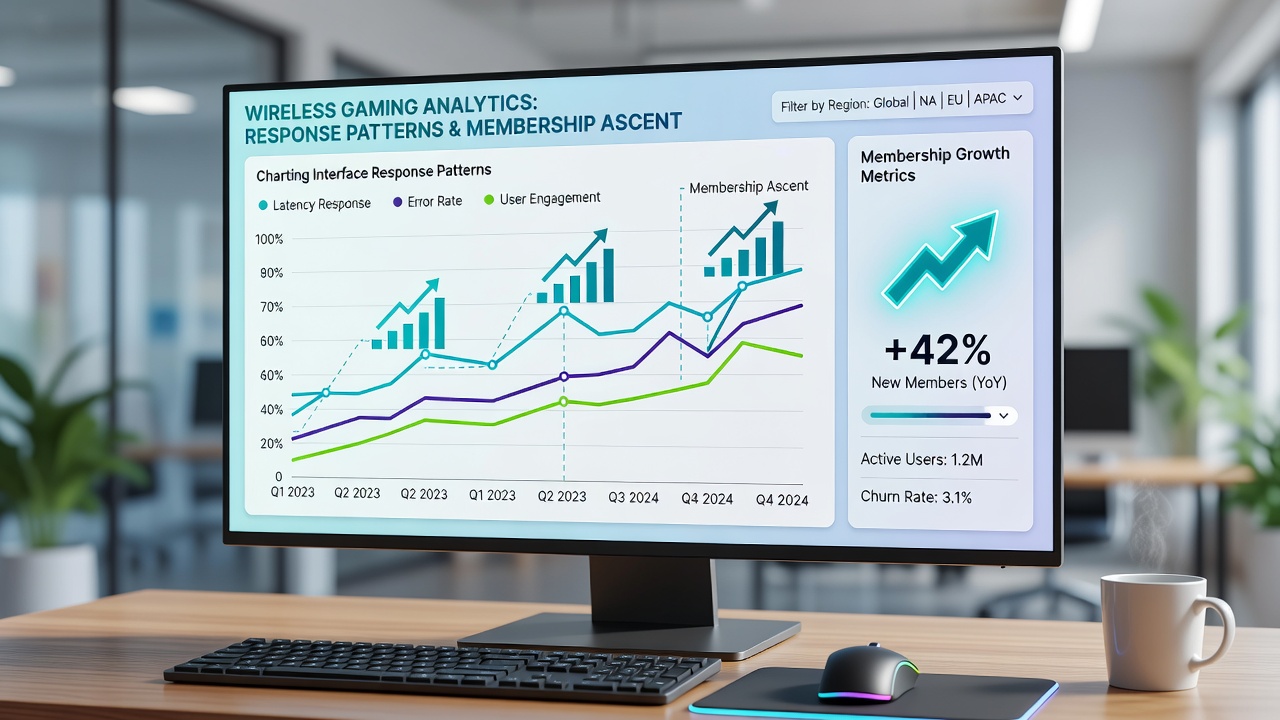
Application developers integrate reward systems that activate upon completion of daily objectives, and the speed at which these systems confirm achievements influences whether players continue toward higher membership levels. Figures released by the Entertainment Software Association show that titles maintaining consistent response under variable network loads record 22 percent greater conversion from free accounts to subscription tiers over six-month observation periods. Entertainment Software Association reports further detail how these patterns hold across multiple genres including strategy, action, and simulation categories.
Telemetry Tools and Pattern Analysis Techniques
Developers deploy client-side logging frameworks that capture timestamped events for every user interaction, then aggregate the information into heat maps that highlight bottlenecks in menu navigation or combat sequences. Analysts apply clustering algorithms to separate sessions by device model, operating system version, and connection quality, revealing that older hardware exhibits longer average response intervals even when software optimizations are present. The Interactive Software Federation of Europe has published summaries indicating that cross-regional comparisons help studios prioritize updates for markets where network infrastructure remains inconsistent.
Case Examples from Major Title Updates
One studio adjusted its touch polling rate after reviewing aggregated logs and recorded a 15 percent rise in users reaching the first paid membership tier within 30 days of the change. Another team introduced adaptive animation scaling that lowered visual complexity during detected network strain, and subsequent data indicated fewer mid-session exits among players on variable connections. These adjustments demonstrate how targeted refinements in interface responsiveness translate into measurable shifts along membership pathways.
Regional Infrastructure Influences on User Trajectories
Geographic differences in mobile infrastructure produce distinct response profiles that affect membership growth rates. Markets with widespread fiber backhaul supporting 5G show tighter distributions of interaction latencies, whereas regions reliant on older tower equipment display broader variance. Data aggregated by regulatory bodies in Canada and Australia confirm that developers who account for these regional signatures achieve more uniform progression curves across their global user bases.
Application stores publish periodic transparency reports that include aggregated performance indicators, and these documents allow indirect comparison of response-related metrics across competing titles. Researchers cross-reference store data with independent laboratory tests to validate developer claims about optimization efforts.
Conclusion
Interface response patterns provide quantifiable signals that link directly to the rate at which users advance through membership structures in wireless gaming applications. Continued collection of telemetry across device types and network conditions supplies the foundation for iterative design improvements that support sustained engagement. Organizations tracking these metrics continue to refine measurement standards as new wireless technologies enter widespread use.