Charting How Funding Channel Variety Accelerates Shifts From Entry Incentives to Elevated Membership Levels Within App-Based Reel and Interactive Table Setups
Written by Carlo Long · Aug 16, 2026
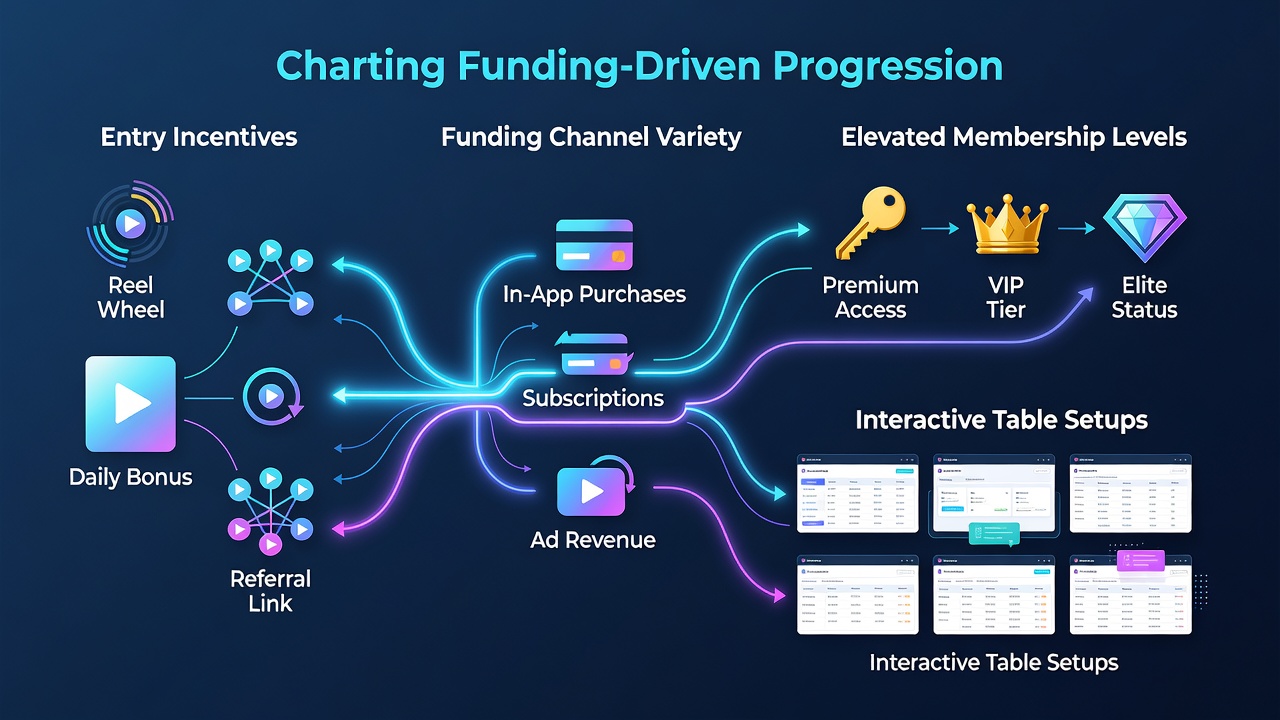
Charting How Funding Channel Variety Accelerates Shifts From Entry Incentives to Elevated Membership Levels Within App-Based Reel and Interactive Table Setups
Funding channel variety in app-based reel and interactive table setups has reshaped how players move from initial incentives to higher membership levels, with data from multiple markets indicating that platforms offering several deposit and withdrawal methods see faster tier advancements. Observers note that when users encounter options such as bank transfers, e-wallets, cryptocurrency, and instant card payments within the same interface, the time spent at entry-level rewards shortens noticeably compared to single-channel environments. Researchers tracking user behavior across regions have documented these patterns through aggregated transaction logs and loyalty program analytics, revealing consistent acceleration in progression rates where payment diversity exists.
Payment Diversity and Early Stage Incentives
Entry incentives like no-deposit bonuses and free spins typically introduce new users to reel and table formats, yet the path beyond those starters depends heavily on how easily subsequent deposits occur. Studies compiled by gaming research centers show that applications supporting four or more funding channels record higher rates of second and third deposits within the first week, which in turn feeds directly into reward accumulation systems. Those who've examined platform data across Asia-Pacific and North American markets find that seamless integration of local payment preferences reduces friction, allowing players to maintain momentum from starter offers into structured loyalty tracks without interruption. And the effect compounds when withdrawal speed matches deposit flexibility, since users who receive quick payouts often reinvest portions back into the app at accelerated intervals.
Transition Mechanisms in App Ecosystems
Interactive table setups and reel games both rely on continuous engagement metrics to determine membership elevation, and funding variety influences these metrics by enabling smaller, more frequent transactions that accumulate points faster. Data indicates that in environments where users can switch between methods mid-session, such as moving from a card to an e-wallet for a follow-up deposit, the average session length extends while the interval between deposits contracts. This pattern appears in reports covering activity through August 2026, where seasonal promotions aligned with multiple payment rails produced measurable upticks in tier movement for both slot enthusiasts and live dealer participants. Observers tracking these shifts emphasize that the variety itself acts as a catalyst rather than any single method, because users adapt their choices to match timing needs and regional availability.
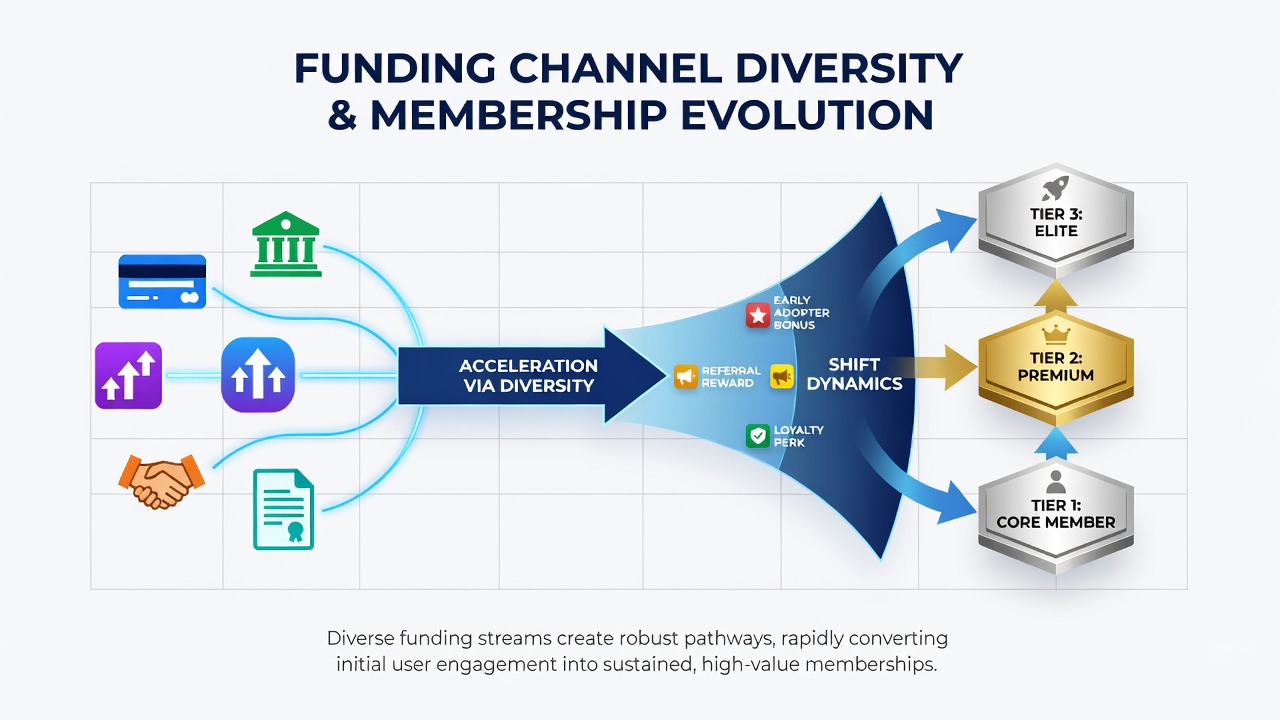
Regional Patterns and Platform Adaptations
Platforms operating across borders have adapted by incorporating region-specific channels, such as instant bank apps in Europe alongside digital wallets popular in Southeast Asia, and this localization correlates with quicker advancement through membership structures. According to findings from the Australian Gambling Research Centre, applications that expanded payment options during 2025 and 2026 experienced elevated retention within premium tiers compared to those maintaining limited rails. The same research highlights that interactive table formats benefit particularly because live dealer sessions often prompt immediate follow-up deposits, which diverse channels facilitate without requiring users to leave the app environment. In parallel, reel-focused segments show similar trends where micro-transactions via varied methods build the volume needed for tier thresholds more rapidly than traditional single-option setups allow.
Data Correlations and Membership Elevation Rates
Quantitative reviews of user pathways demonstrate that the presence of cryptocurrency alongside traditional cards and bank links produces the steepest acceleration curves from entry incentives to elevated levels, with some datasets showing a 30 percent reduction in time to first VIP milestone. Figures released through industry monitoring bodies in North America and Australia confirm that platforms investing in multi-channel infrastructure report stronger conversion from starter rewards to ongoing loyalty participation. Those who've studied the mechanics point out that speed variations across channels create choice architectures where users self-select the fastest route to continued play, thereby feeding reward structures more efficiently. Yet the correlation holds only when security and verification processes remain consistent across all methods, preventing bottlenecks that could otherwise stall progression.
Additional analysis of app-based ecosystems reveals that interactive table users respond more sensitively to funding flexibility than reel-only participants, likely because table sessions involve higher per-round stakes that benefit from instant top-ups. This distinction appears consistently in cross-platform comparisons conducted through mid-2026, where combined reel and table environments with broad payment support achieved the highest overall tier advancement rates. The reality is that funding channel variety does not replace incentive design but amplifies its reach by removing logistical barriers that once kept players at lower membership stages for extended periods.
Conclusion
Overall patterns across documented markets illustrate that greater funding channel variety shortens the duration users spend at entry incentive stages while increasing the velocity toward elevated membership levels in app-based reel and interactive table setups. Evidence from regulatory and research sources continues to map these dynamics, showing that platforms maintaining diverse, secure, and regionally attuned payment options sustain higher progression rates through loyalty structures. The mechanisms remain tied to reduced friction and increased user choice, both of which compound the effects of initial rewards into sustained tier advancement across different game formats.