Charting Certification Benchmarks That Steer Game Variety Choices Within Secure Mobile Transaction Flows and Tiered Reward Progressions
Written by Wendy Long · Aug 18, 2026
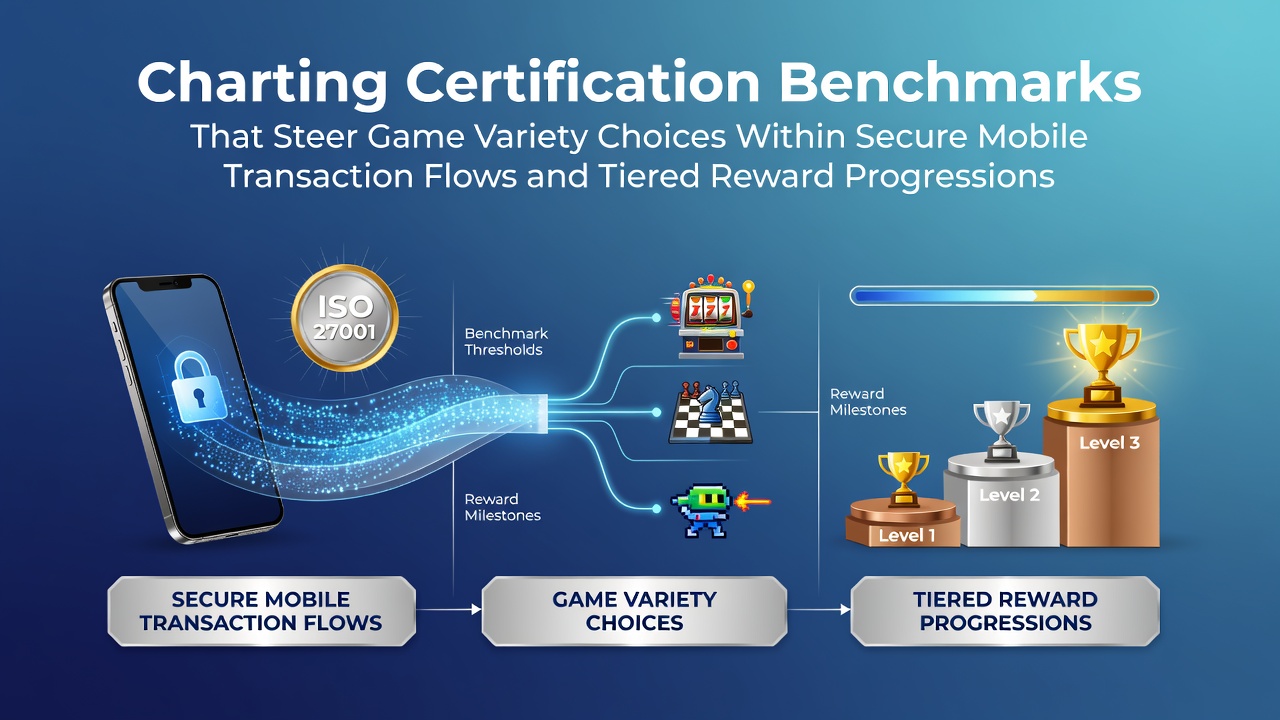
Charting Certification Benchmarks That Steer Game Variety Choices Within Secure Mobile Transaction Flows and Tiered Reward Progressions
Certification benchmarks establish measurable standards that shape how mobile gaming platforms select and present game varieties while maintaining secure transaction flows and structured reward systems, and data from multiple regulatory regions shows these frameworks directly influence which titles operators can offer to users at different progression levels.
Core Elements of Certification Standards in Mobile Gaming
Industry observers note that organizations such as Gaming Laboratories International and regional bodies including the Nevada Gaming Control Board evaluate software integrity, payment encryption protocols, and progression mechanics before approving deployments, which means platforms must align game libraries with tested security parameters rather than introducing every available title without verification.
These evaluations cover random number generators, payout verification systems, and data transmission safeguards, and when benchmarks require specific encryption levels for transactions, operators often limit initial game access to simpler formats until users advance through verified reward tiers that trigger additional security clearances.
Secure Transaction Flows and Their Role in Game Selection
Payment certification requirements, including those aligned with PCI DSS guidelines from the PCI Security Standards Council, mandate tokenization and multi-factor authentication for mobile deposits and withdrawals, which in turn restricts the rollout of high-volatility titles until transaction pathways demonstrate consistent compliance across user sessions.
Platforms therefore prioritize games with adjustable bet ranges and lower computational demands in early stages, allowing broader variety only after users complete certified progression milestones that confirm stable, secure funding activity, and reports from the Australian Communications and Media Authority highlight similar patterns where transaction audit trails determine eligible game categories per account tier.
How Benchmarks Guide Variety Across Reward Tiers
Tiered reward progressions operate through points accumulated via certified play and deposits, yet certification rules often cap the introduction of complex live dealer simulations or multi-reel mechanics until accounts reach verified status levels that satisfy audit thresholds, and this creates a structured pathway where starter games emphasize basic slots while premium tiers unlock expanded collections including table variants and progressive jackpots.
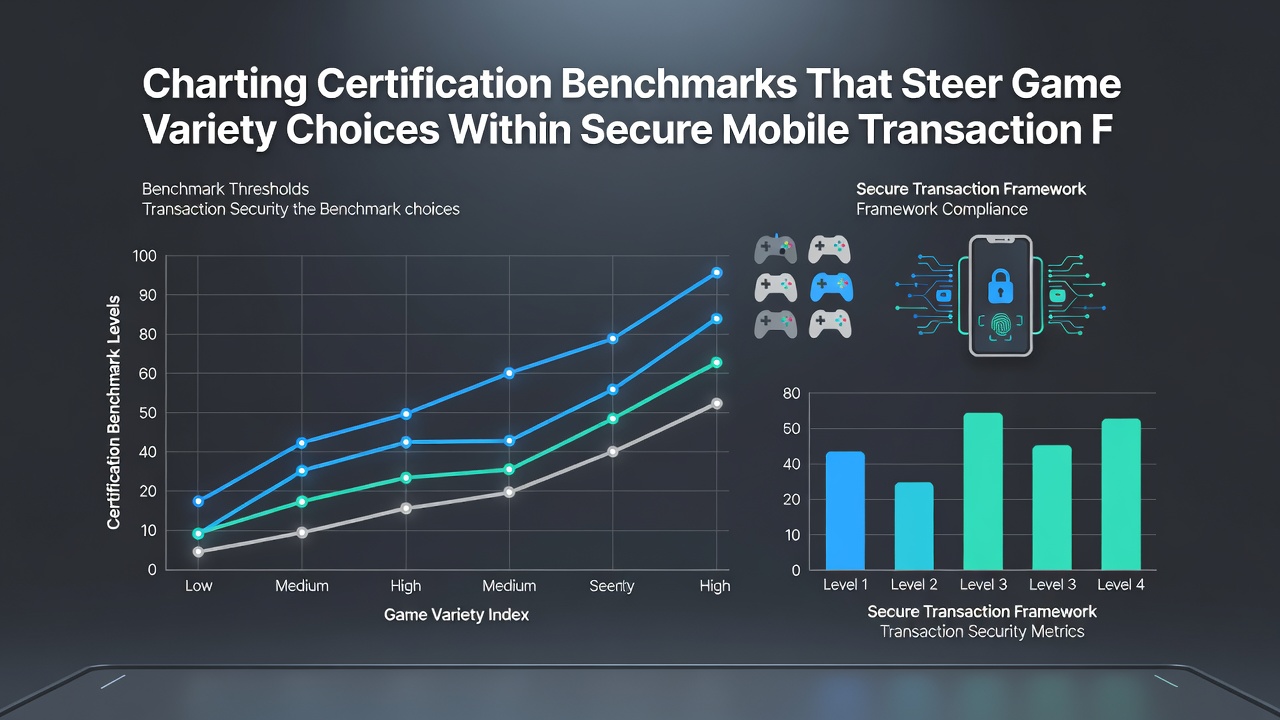
Research from academic sources such as the University of Nevada Reno's gaming studies department indicates that these constraints lead to measurable differences in title distribution, with data showing higher concentrations of certified low-stakes options at entry levels and greater diversity appearing only after repeated secure transaction confirmations.
Regional Regulatory Influences on August 2026 Developments
Updates scheduled for August 2026 in several jurisdictions, including proposed adjustments from the New Jersey Division of Gaming Enforcement, emphasize enhanced testing for mobile-specific vulnerabilities in reward algorithms, which observers expect will further refine how operators map game availability to progression stages without compromising transaction security protocols.
European frameworks under the Malta Gaming Authority similarly require ongoing certification renewals that tie reward tier expansions to documented compliance with evolving mobile encryption standards, resulting in platforms adjusting their libraries seasonally to match benchmark revisions rather than user demand alone.
Practical Outcomes for Platform Design and User Pathways
Those who analyze certified systems find that operators integrate benchmark checkpoints directly into app architecture, so users encounter filtered game selections that expand automatically once transaction histories and reward accumulations satisfy automated verification routines, and this approach reduces manual oversight while ensuring variety scales with demonstrated security adherence.
Case examples from Canadian provincial regulators demonstrate that platforms incorporating these benchmarks early achieve smoother expansions of game offerings, particularly when reward tiers incorporate features like accelerated point multipliers tied to verified payment methods, and such integrations help maintain consistent compliance across diverse user bases.
Conclusion
Certification benchmarks continue to function as primary guides for determining game variety within secure mobile environments, linking transaction integrity directly to the pace at which reward progressions unlock additional titles, and ongoing regulatory refinements ensure these connections remain central to platform operations across multiple regions.