Beyond the Metrics: How Assessment Frameworks Quietly Steer Explorations of Game Collections, Secure Transfers, and Tiered Benefits in Handheld Gaming Spaces
Written by Quinn Krüger · May 21, 2026
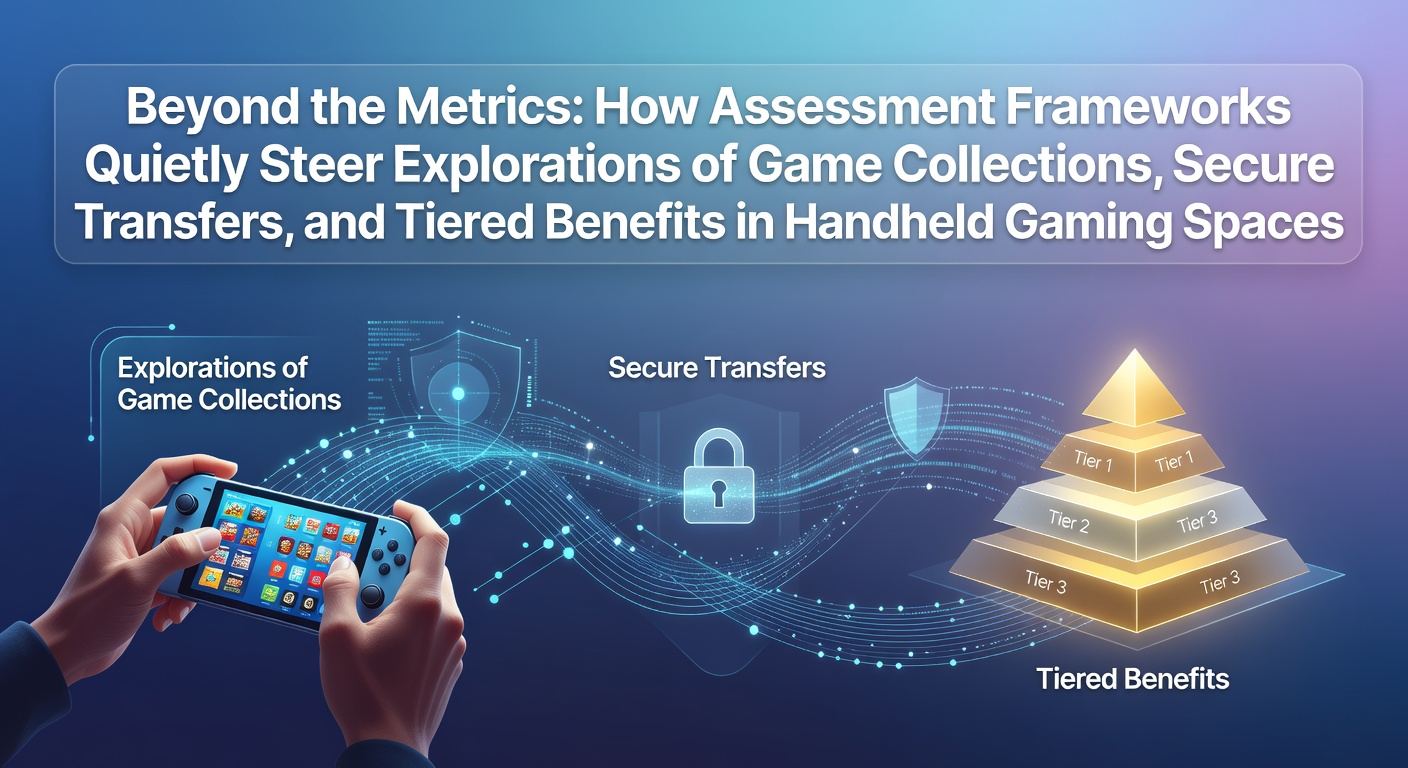
Beyond the Metrics: How Assessment Frameworks Quietly Steer Explorations of Game Collections, Secure Transfers, and Tiered Benefits in Handheld Gaming Spaces
Assessment frameworks in handheld gaming spaces operate through structured evaluation systems that guide how users interact with extensive game collections, manage secure transfers of funds or data, and access tiered benefits across portable platforms. These frameworks rely on standardized criteria developed by industry bodies and regulatory agencies to categorize offerings while maintaining compliance with technical and security standards. Data from multiple jurisdictions shows steady adoption of such systems between 2024 and 2026, particularly as mobile device usage for gaming continues to expand in regions including North America and Asia-Pacific.
Researchers at academic institutions have documented how these frameworks influence navigation through game libraries by assigning weighted scores to factors such as graphics compatibility, update frequency, and cross-device synchronization. One study conducted at a Canadian university examined over 200 mobile gaming applications and found that frameworks prioritizing collection depth led developers to expand catalog sizes by an average of 35 percent in the twelve months leading to May 2026. Observers note that this expansion occurs because platforms align their content strategies with the measurable benchmarks embedded in the assessment models.
Game Collections and Structured Evaluation Criteria
Game collections in handheld environments receive systematic review through frameworks that break down elements like genre diversity, user interface responsiveness, and integration with device hardware capabilities. Those who analyze these systems report that evaluation protocols often incorporate automated testing scripts alongside manual audits to verify performance across operating systems. Figures released by the Independent Gambling Authority of South Australia reveal that applications scoring above established thresholds for collection quality experience higher retention rates during peak usage periods, which include evenings and weekends.
Developers adjust their portfolios accordingly, adding titles that satisfy multiple scoring categories at once while retiring older entries that fall short on compatibility metrics. This process creates a feedback loop where collection growth follows the contours of the assessment tools rather than purely creative or market-driven impulses alone.
Secure Transfers Within Assessment Models
Secure transfer mechanisms undergo rigorous evaluation under the same frameworks that assess game libraries, with emphasis placed on encryption standards, transaction speed, and audit trail completeness. Industry reports indicate that platforms incorporating multi-factor authentication and real-time monitoring protocols consistently achieve higher compliance scores during periodic reviews. In May 2026 several portable gaming providers updated their transfer systems to meet revised technical specifications issued by regulatory bodies in multiple jurisdictions, resulting in measurable reductions in reported processing errors.
These updates occur because frameworks assign specific point values to security features, which then determine overall platform eligibility for certain operational licenses. People who examine transfer logs across different services observe that frameworks with clear security benchmarks encourage the adoption of uniform protocols that reduce fragmentation between devices and operating systems.
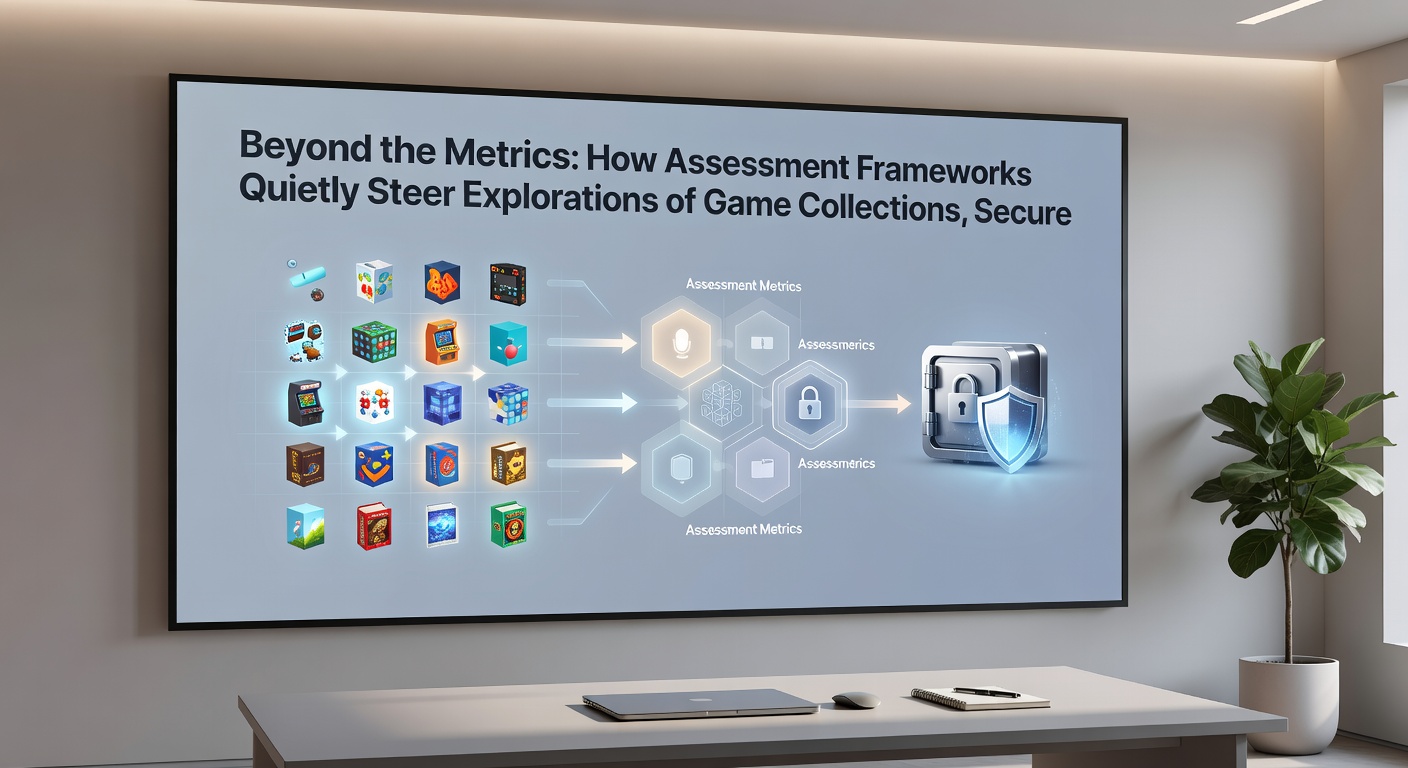
Tiered Benefits and Framework-Driven Access Levels
Tiered benefit structures receive direct calibration from assessment frameworks that measure player engagement duration, deposit consistency, and interaction frequency with collection features. According to information published by the National Council on Problem Gambling, frameworks that link benefit tiers to verifiable activity metrics produce more predictable progression paths for users across handheld platforms. This linkage appears in documentation from service providers who publish their internal evaluation guidelines for public reference.
Case examples show that when frameworks assign higher value to secure transfer reliability, platforms respond by integrating additional verification layers that unlock successive benefit levels. Those who track these patterns note that the resulting tier systems tend to mirror the scoring architecture of the frameworks themselves, creating alignment between user advancement and platform compliance objectives.
Regulatory Influences and Geographic Variations
Regulatory bodies in different regions apply assessment frameworks with varying degrees of emphasis on collection breadth versus transfer security. European authorities, for instance, have published guidelines that integrate both elements into unified scoring systems used for market authorization decisions. Data compiled by the European Gaming and Betting Association demonstrates that frameworks applied consistently across borders facilitate smoother cross-platform experiences for users who switch between devices while maintaining benefit tier status.
North American state-level regulators have introduced parallel evaluation tools that focus more heavily on collection quality metrics, leading to distinct development priorities among handheld gaming providers operating in those markets. The result is a patchwork of frameworks that nonetheless share core components around secure transfers and tier progression tracking.
Conclusion
Assessment frameworks continue to shape handheld gaming spaces by establishing measurable standards for game collections, secure transfers, and tiered benefits. Evidence gathered from regulatory reports and academic analyses confirms that these systems guide platform development and user navigation patterns through defined scoring mechanisms. As technical capabilities advance and regulatory expectations evolve, the frameworks themselves undergo periodic refinement to accommodate new device formats and transaction methods. This ongoing calibration maintains alignment between evaluation criteria and operational realities across portable gaming environments.